About Brass Moulding Inserts
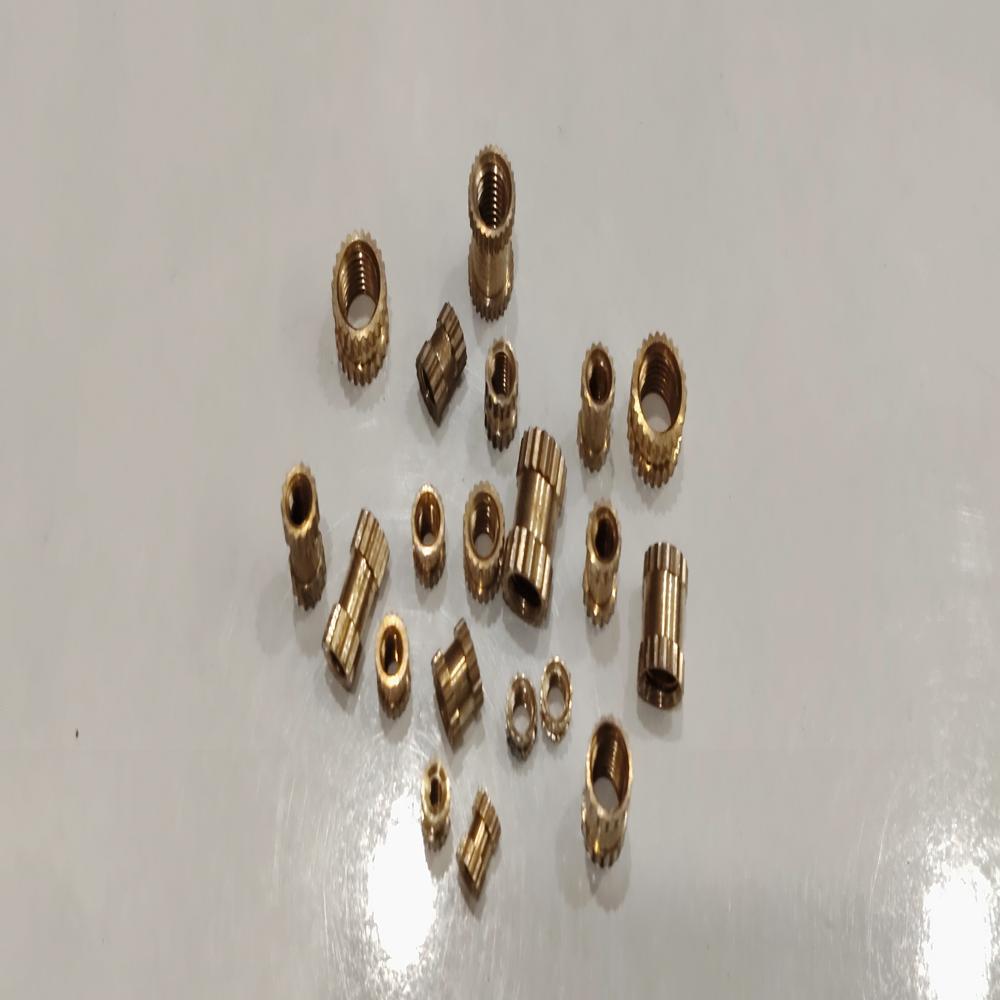
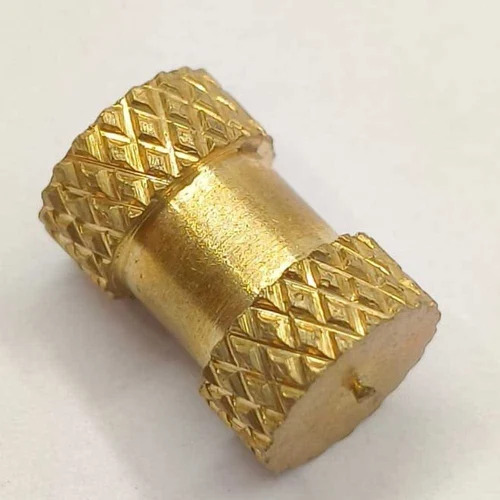
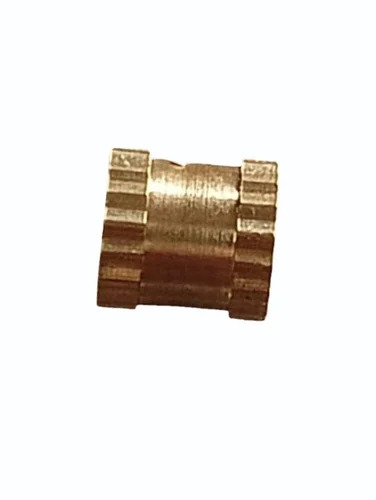
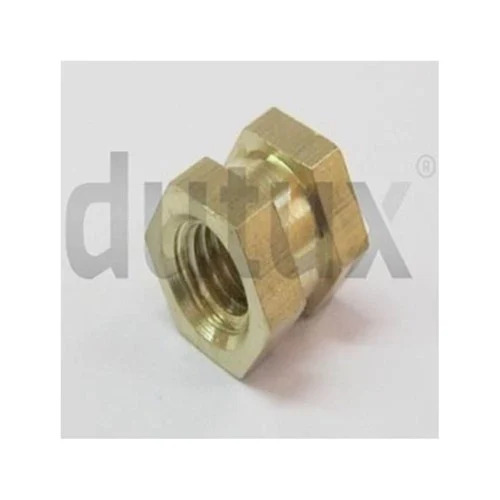
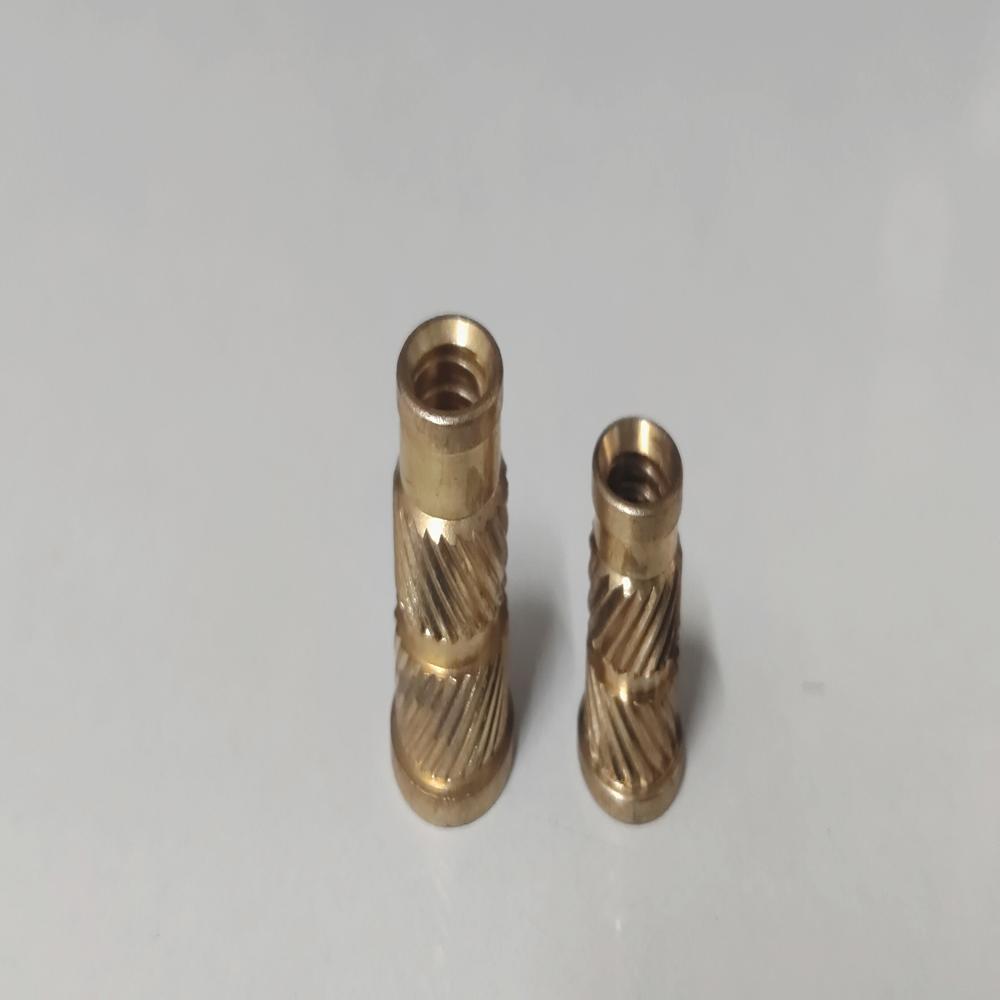
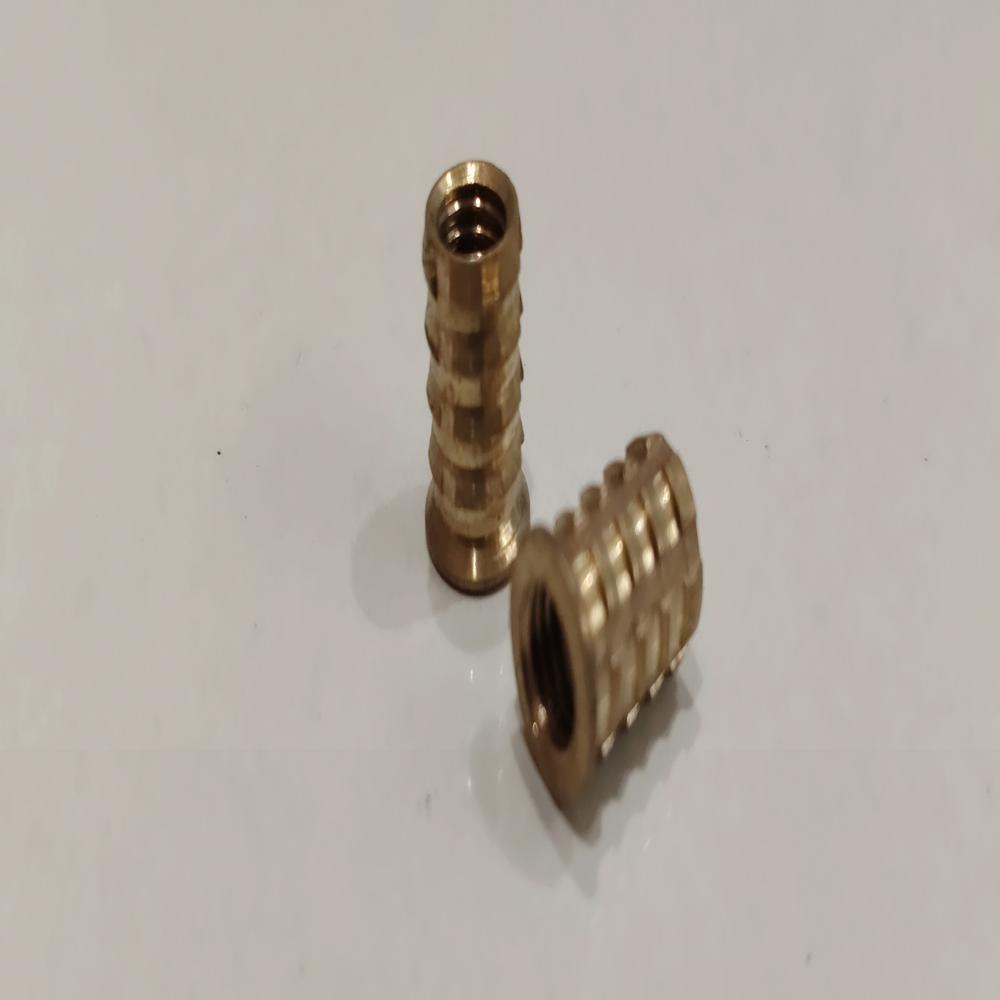
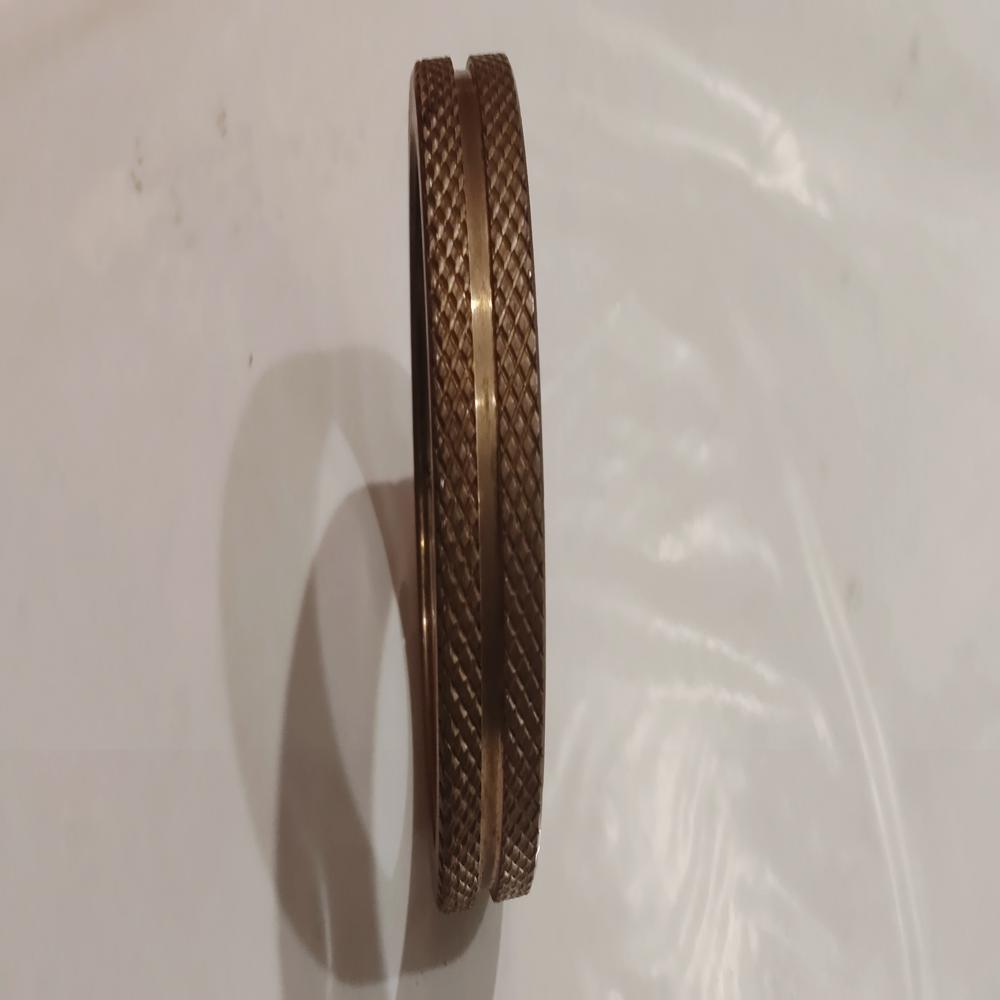
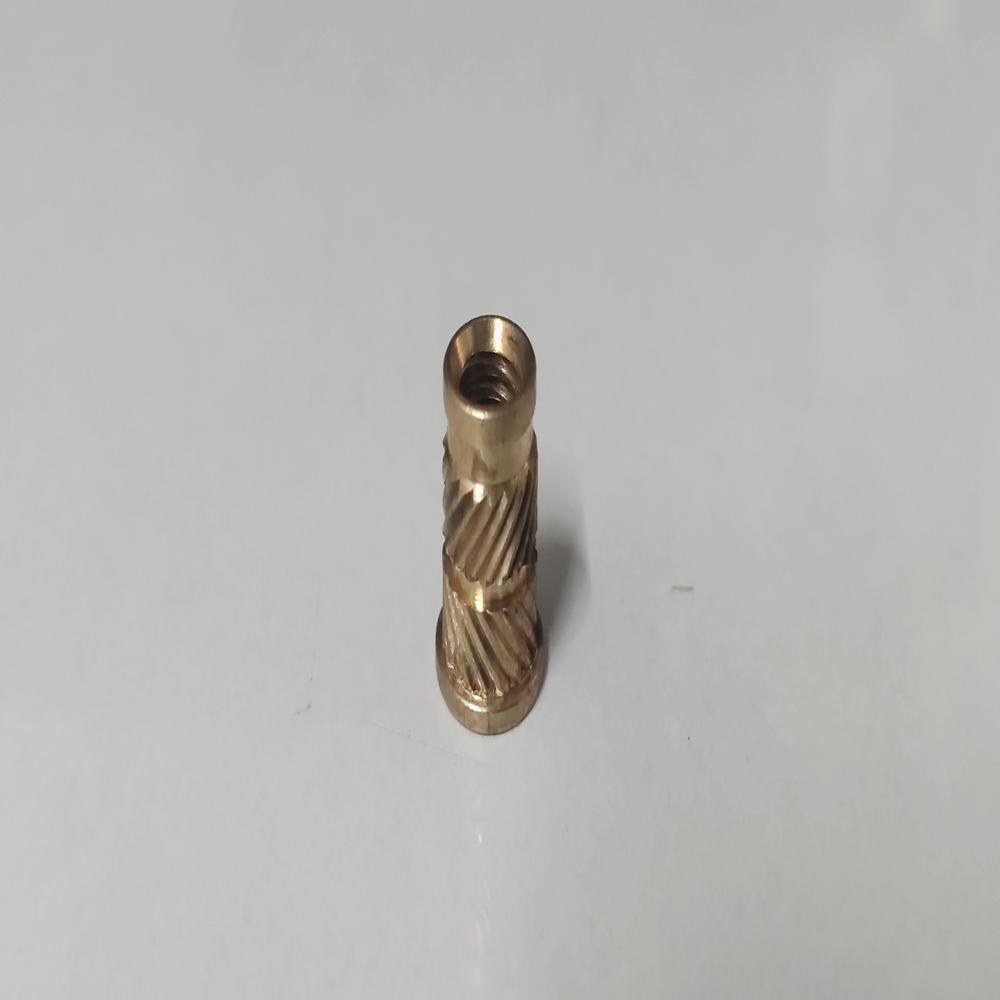
We have been in the market for 14 years and are actively involved in manufacturing, exporting and supplying all types of Brass Moulding Inserts. The inserts are produced by quality brass and proper manufacturing process according to the different industrial demand. They are used in a variety of ways to create holes and ensure a tight fit for various parts. Brass Moulding Inserts are applicable in various industries, such as petrochemical, oil & gas, automobile, plastic, electrical and other industries. These inserts come in a variety of shapes, knurling patterns, materials, thread configurations and customized specifications and can be supplied based on application needs. Shapes available include Round Knurled Inserts, Hexagonal Inserts (Hex Inserts), Square Inserts and special brass insert shapes as required by the customer. There are several different types of knurling, such as Cross Knurling, Double Knurling, Diamond Knurling, Straight Knurling, and Unidirectional Knurling. Both blind and through inserts are available as per requirement.
Brass Moulding Inserts are produced from Free Cutting Brass IS 319 Type (I), Free Cutting Brass (as per BS 2874) Type (I) and Free Machine Grade CuZn37Pb3 (BS 2874). Other material grades can be supplied, such as CZ 121, CZ 131, C3604, CDA 360 and DTD 627 as per customized requirements. For certain applications high grade free cutting brass and special brass material compositions are also available. Options available for threads include ISO Metric (MM Threads), BA Threads, BSW Threads, UNC, UNF, UNEF, NPT, BSP and BSPT threads, to name a few, parallel and taper threads. Depending on the customer's needs, special thread specifications are also available. They are designed for practical fastening applications of components that need reliable threaded connections and can be tailored based on dimensional and application needs.
Brass Moulding Insert Applications.
Brass Inserts for plastic molding.
Brass Inserts for Acetal
Brass Inserts in Wood and Composite Materials.
Brass for Thermoplastic and Thermoset Applications.
Brass Helical Knurled Inserts
Plastic Industry Applications
Furniture Industry Applications
Electronic Industry Applications
Automobile Industry Applications
Junction Box Inserts and Modular Box Inserts.
Bakelite Knob and Handle Inserts are available at a reasonable price and are easy to install.
Electrical Insulator Inserts
Acrylic Brass Inserts
Heat Staking Brass Inserts
Telecommunications and Electrical Accessories
Plastic Case Assembly
Other Customized Moulding Insert Applications as per requirements.
FAQs of Brass Moulding Inserts:
Q: Can the Brass Moulding Inserts be used in high precision applications?
Yes, Brass Moulding Inserts are capable of being produced via CNC Machining and customized shapes, dimensions, threads, knurling patterns can be produced very accurately.
Q: What is the recommended usage for the Brass Moulding Inserts?
A: Brass Moulding Inserts are brass inserts used to insert threaded holes within plastic, metal, electrical, automotive or other components.
Q: What is the diameter of the Brass Moulding Inserts?
A: No. Product specifications, materials, dimensions and manufacturing requirements can be discussed with the order confirmation.
Q: What is the tolerance level for the Brass Moulding Inserts?
A: The tolerance of Brass Moulding Inserts is 0.02 Millimeter (mm) which is a precision-based value that facilitates fitting and assembling in precision-oriented applications.
Q: Is there a warranty provided for the Brass Moulding Inserts?
A: Brass Moulding Inserts size is 1 Millimeter (mm) and customized size can be provided based on application requirement.
Q: What type of inserts are the Brass Moulding Inserts?
A: Brass Moulding Inserts are suitable for use in the automotive industry and other industries such as plastics, electrical, furniture, telecommunication and other.
Q: Can the Brass Moulding Inserts be used in high precision applications?
Brass Moulding Inserts can be utilized in precision applications that demand the given 0.02 mm tolerance for fitting and assembling components.

 Chat with us





 Get A Quote
 Send Inquiry

 Send Inquiry


 Send Inquiry
 Send SMS
 Call Me Free


 English
 Spanish
 French
 German
 Italian
 Chinese (Simplified)
 Japanese
 Korean
 Arabic
 Portuguese