Monday - Friday 10AM - 8PM

 Chat with us
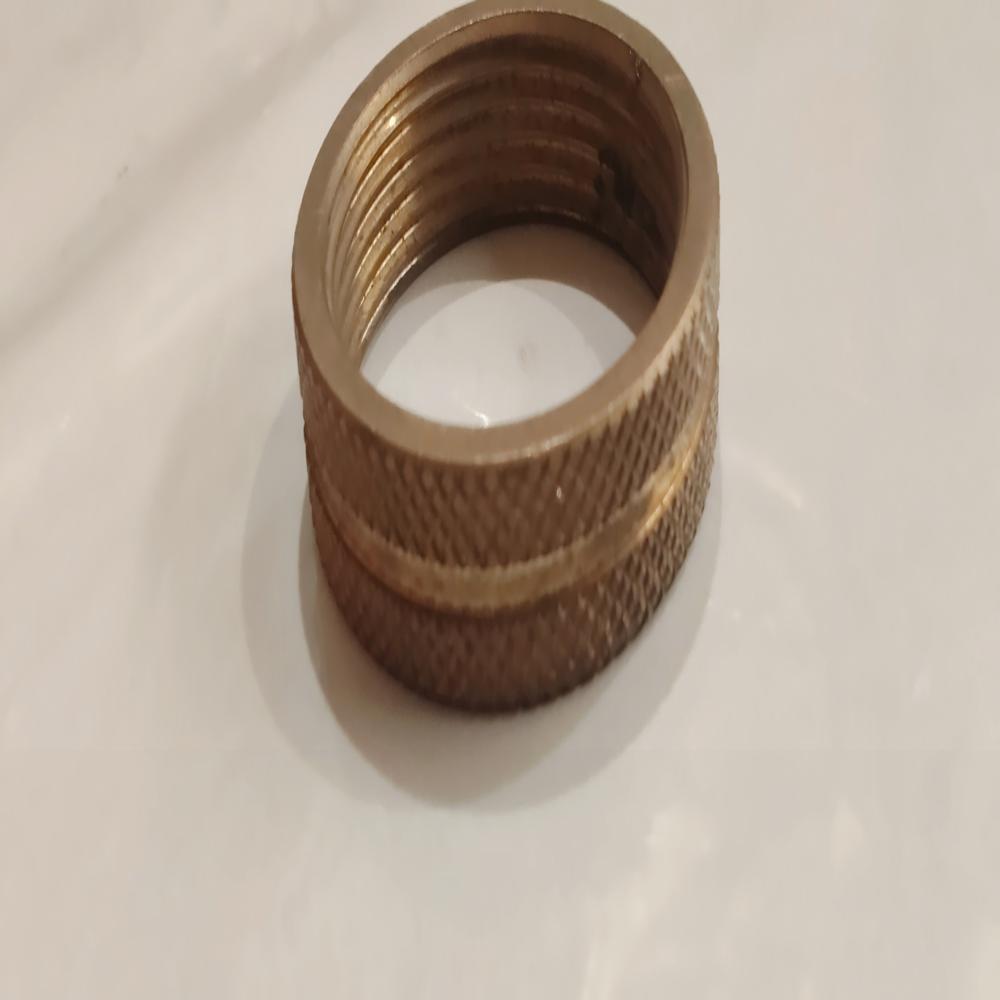
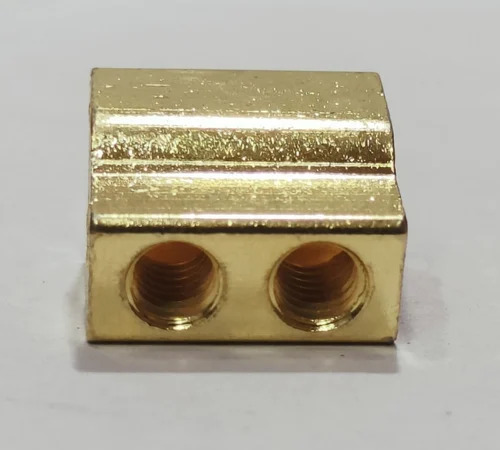
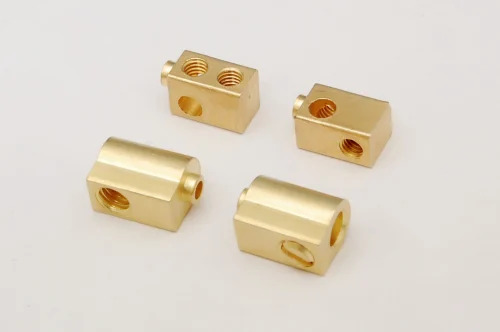
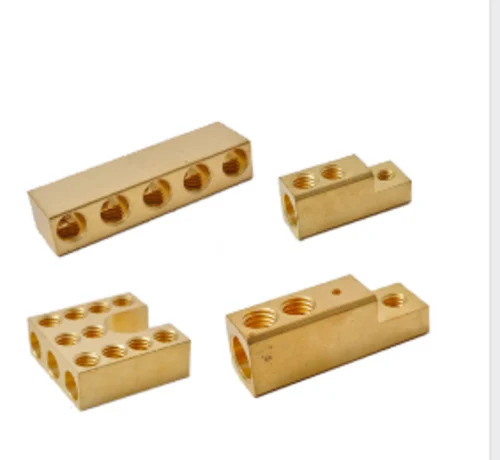
Electrical panel brass inserts are precision-engineered fasteners specifically designed to be integrated into the plastic or composite housings of electrical panels, switchgear, and other electronic enclosures. Their primary purpose is to provide robust, reusable, and electrically conductive threaded connections in materials that are not strong enough to support a threaded screw on their own.
Threaded Connections: The core function of these inserts is to create durable threads for screws and bolts. This is crucial for securely mounting components like circuit boards, wiring terminals, switches, and other hardware within the panel. The threads are designed to withstand repeated assembly and disassembly without stripping or wearing out, which is common in maintenance and repair scenarios.
Electrical Conductivity: Brass is an excellent conductor of electricity. In electrical panels, this is a vital feature. The inserts can be used to create reliable grounding points, ensuring a secure and efficient electrical path. This helps to maintain the safety and functionality of the entire electrical system.
Corrosion Resistance: Electrical panels are often exposed to varying environmental conditions, including moisture and potential chemical exposure. Brass's natural resistance to corrosion and oxidation is a significant advantage, as it prevents the degradation of the insert and ensures a long-lasting, reliable connection.
Mechanical Strength: While the plastic housing provides insulation and protection, it lacks the mechanical strength of metal. Brass inserts reinforce these weak points, providing high resistance to pull-out and torque-out forces. This is achieved through specific designs, such as knurling (diamond, straight, or helical patterns) and undercuts on the outer surface, which create a strong mechanical interlock with the surrounding plastic.
Thermal Stability: Electrical components generate heat during operation. Brass has good thermal conductivity and stability, which helps to dissipate heat and prevents issues like expansion or contraction-related failures in high-temperature environments.
The method of installation is critical for the performance of the insert and is often dictated by the design of the electrical panel.
Molded-In: The inserts are placed into the mold before the plastic is injected. This creates the strongest bond as the molten plastic flows around the insert's features, providing maximum resistance to all types of forces.
Heat-Staked / Thermal Inserts: Post-molding installation method where a heated tool presses the insert into a pre-drilled or molded hole. The heat softens the plastic, allowing it to flow and re-solidify around the insert's knurling, creating a permanent, tight fit.
Ultrasonic Insertion: This method uses high-frequency vibrations to generate localized heat, melting the plastic as the insert is pressed into the hole. It's a fast, efficient, and precise method, widely used in high-volume production of electrical components.
Press-In Inserts: These inserts are simply pressed into a hole without the need for heat. They are a lower-cost option and are suitable for applications where very high load-bearing capacity is not a primary concern.
In summary, brass inserts for electrical panels are essential components that enhance the durability, safety, and functionality of electrical and electronic enclosures by providing strong, reliable, and conductive threaded connection points.

Price:

Price 110.0 INR / Pack
Minimum Order Quantity : 1000 Packs
CNC Machining : Yes
Shape : Other
Material : Brass
Color : Golden
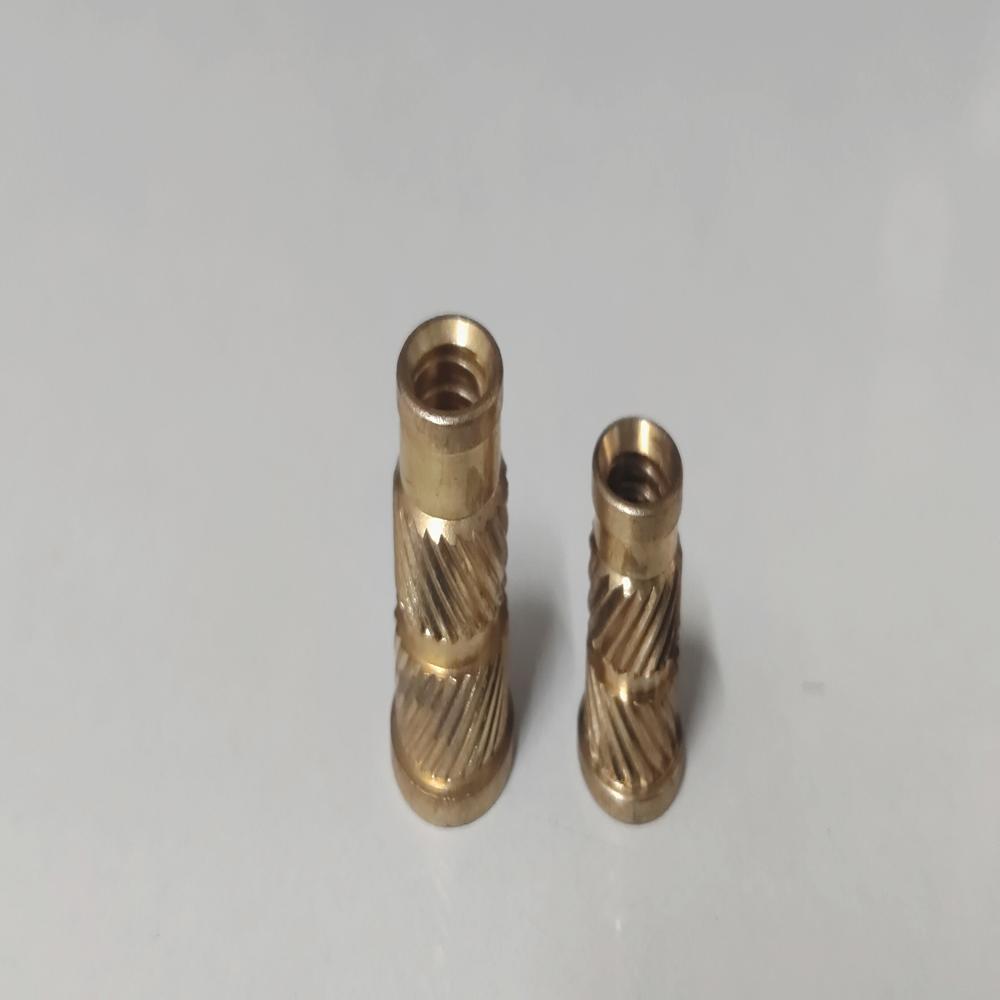
Price 110.0 INR / Pack
Minimum Order Quantity : 1000 Packs
CNC Machining : Yes
Material : Brass
Color : Golden
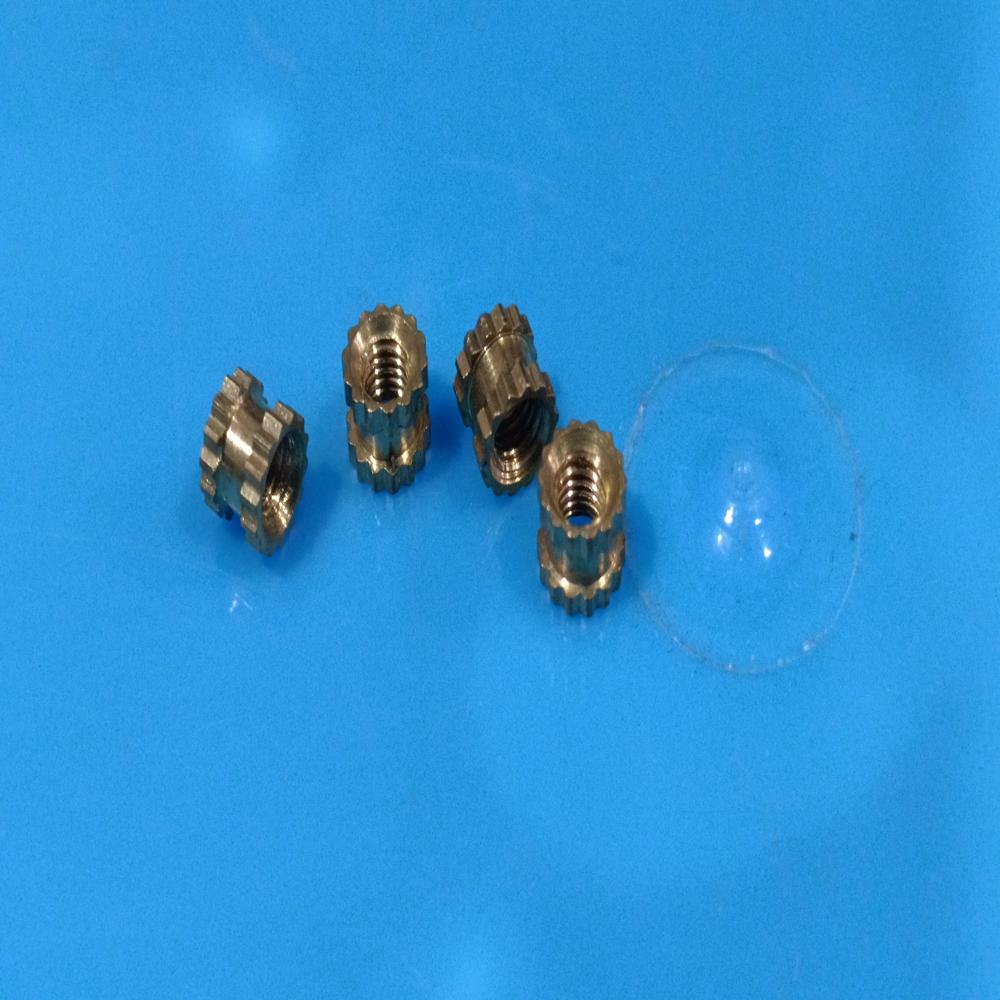
Price 63.0 INR / Piece
Minimum Order Quantity : 1000 Pieces
CNC Machining : No
Shape : Round
Material : Brass
Color : Golden
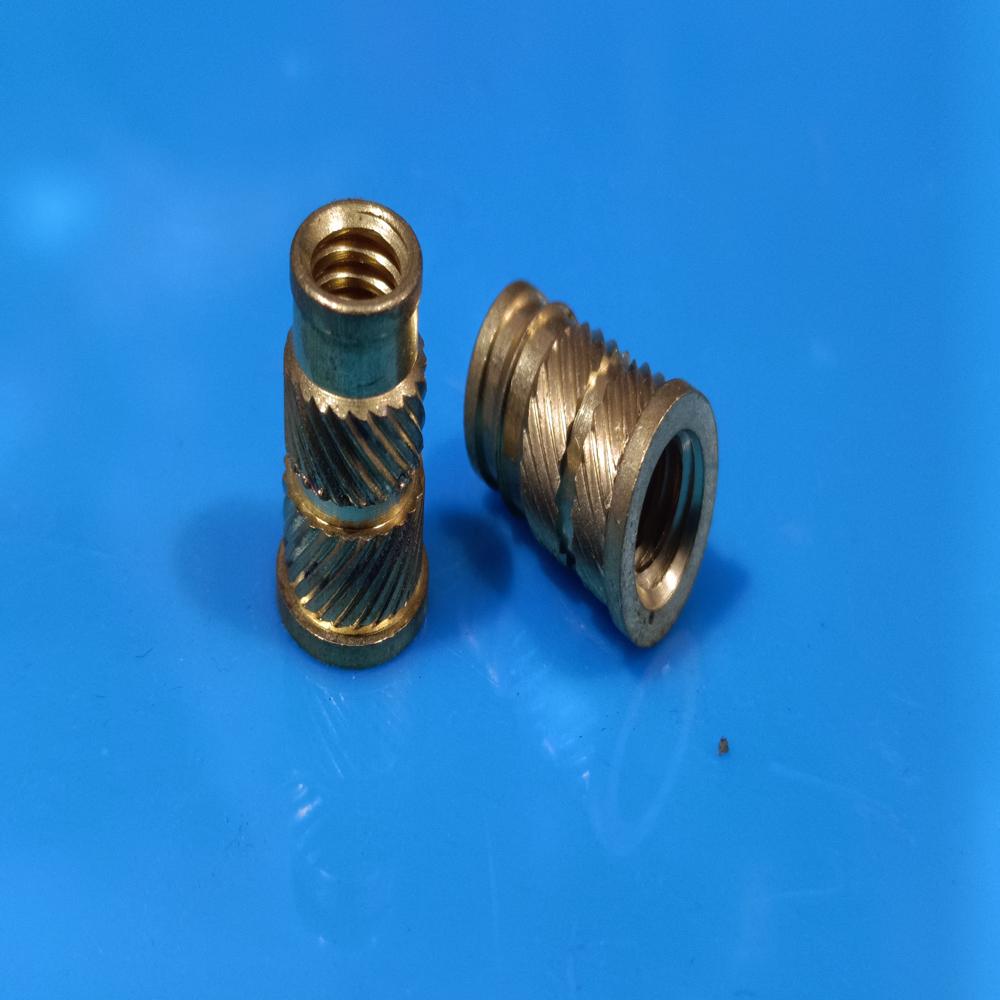
Price 55.0 INR / Piece
Minimum Order Quantity : 1000 Pieces
CNC Machining : No
Shape : Round
Material : Brass
Color : Golden

GST : 24ABNCS3524Q1ZR

|


 Get A Quote
 Send Inquiry

 Send Inquiry


 Send Inquiry
 Send SMS
 Call Me Free


 English
 Spanish
 French
 German
 Italian
 Chinese (Simplified)
 Japanese
 Korean
 Arabic
 Portuguese