Monday - Friday 10AM - 8PM

 Chat with us
An ultrasonic weldable brass insert is a specialized fastener designed for a post-molding installation process where it's embedded into a pre-drilled or cored hole in a thermoplastic part using high-frequency vibrations. The term "ultrasonic weldable" refers to the specific installation method, which uses ultrasonic energy to create a fast, strong, and permanent bond.
The ultrasonic insertion process is both efficient and precise:
Placement: The brass insert is placed into a hole in the plastic component. This hole is typically slightly undersized to help guide the insert and ensure a tight fit.
Vibration: A tool called a "horn" or "sonotrode" contacts the insert and applies high-frequency (typically 2040 kHz) vibrations.
Heat Generation: The vibrations cause friction between the brass insert and the surrounding plastic. This friction generates localized heat, which quickly melts the plastic in the immediate vicinity of the insert.
Bonding: As the insert is pressed into the hole, the molten plastic flows into the knurls, undercuts, and other features on the insert's outer surface.
Solidification: When the vibrations stop, the plastic cools and re-solidifies, permanently locking the insert in place. This creates a strong mechanical interlock with high resistance to both pull-out and torque-out forces.
Knurling: The outer surface of these inserts typically has a specific knurling pattern (e.g., straight, diamond, or helical) to maximize the surface area for the plastic to grip. The design of the knurl is critical for achieving optimal pull-out and torque-out resistance.
Undercuts and Grooves: These features provide a physical barrier that prevents the insert from being pulled out of the plastic. The molten plastic flows into these undercuts, creating a strong mechanical bond.
Tapered or Straight Sides: Inserts may have tapered sides for easier initial placement into the hole, or straight sides for maximum surface contact and strength.
High Strength: Ultrasonic installation creates a bond that often provides pull-out and torque-out strength comparable to that of a molded-in insert, but without the risk of damaging the mold.
Minimal Stress: Because the heat is localized and the melting process is fast, ultrasonic insertion induces minimal residual stress in the surrounding plastic, which helps prevent part warping or cracking.
Speed and Efficiency: The entire process is very fast, typically taking less than a second per insert. This makes it ideal for high-volume, automated production lines.
Cost-Effective: It is a post-molding process, which means it eliminates the need for complex and costly mold design changes that are required for molded-in inserts.
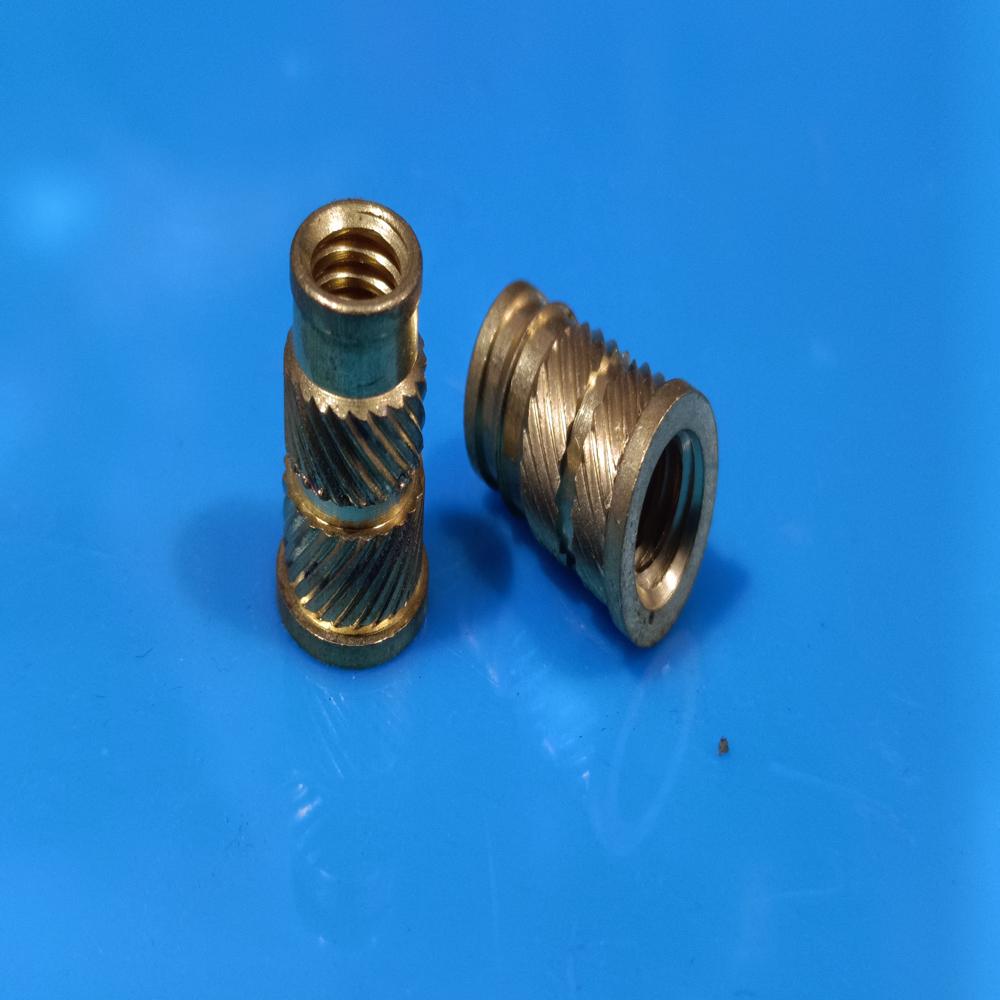

Price:
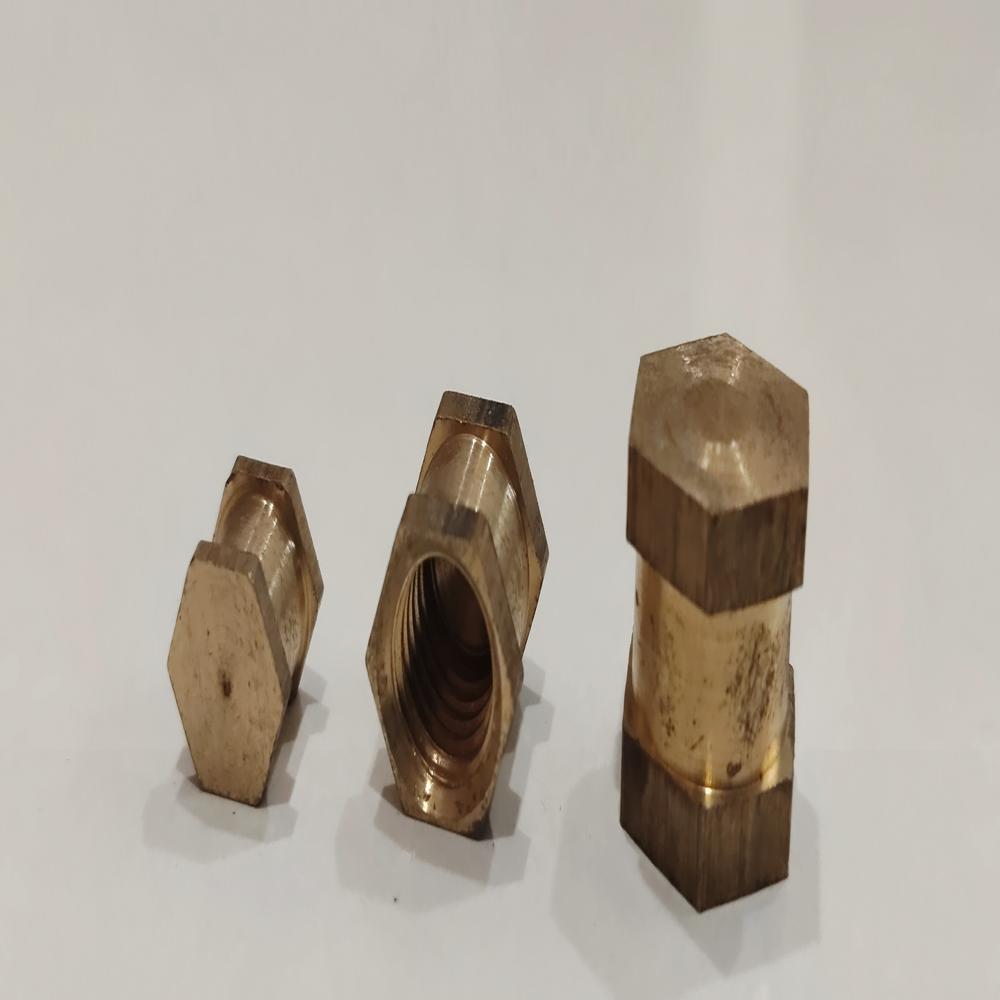
Price 110.0 INR / Pack
Minimum Order Quantity : 1000 Packs
Tolerance : 0.02 Millimeter (mm)
CNC Machining : Yes
Diameter : 1 Millimeter (mm)
Type : Brass Inserts
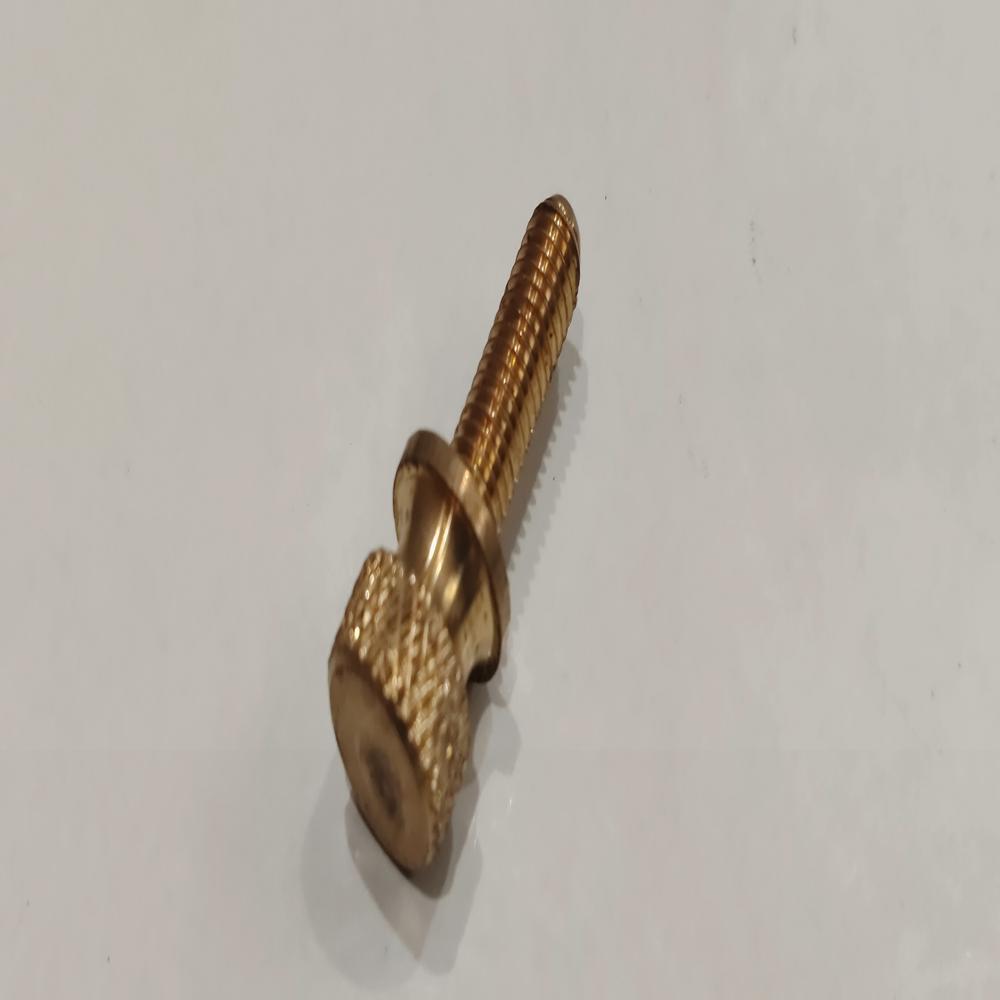
Price 110.0 INR / Pack
Minimum Order Quantity : 1000 Packs
Tolerance : 0.02 Millimeter (mm)
CNC Machining : Yes
Diameter : 1 Millimeter (mm)
Type : BRASS INSERTS
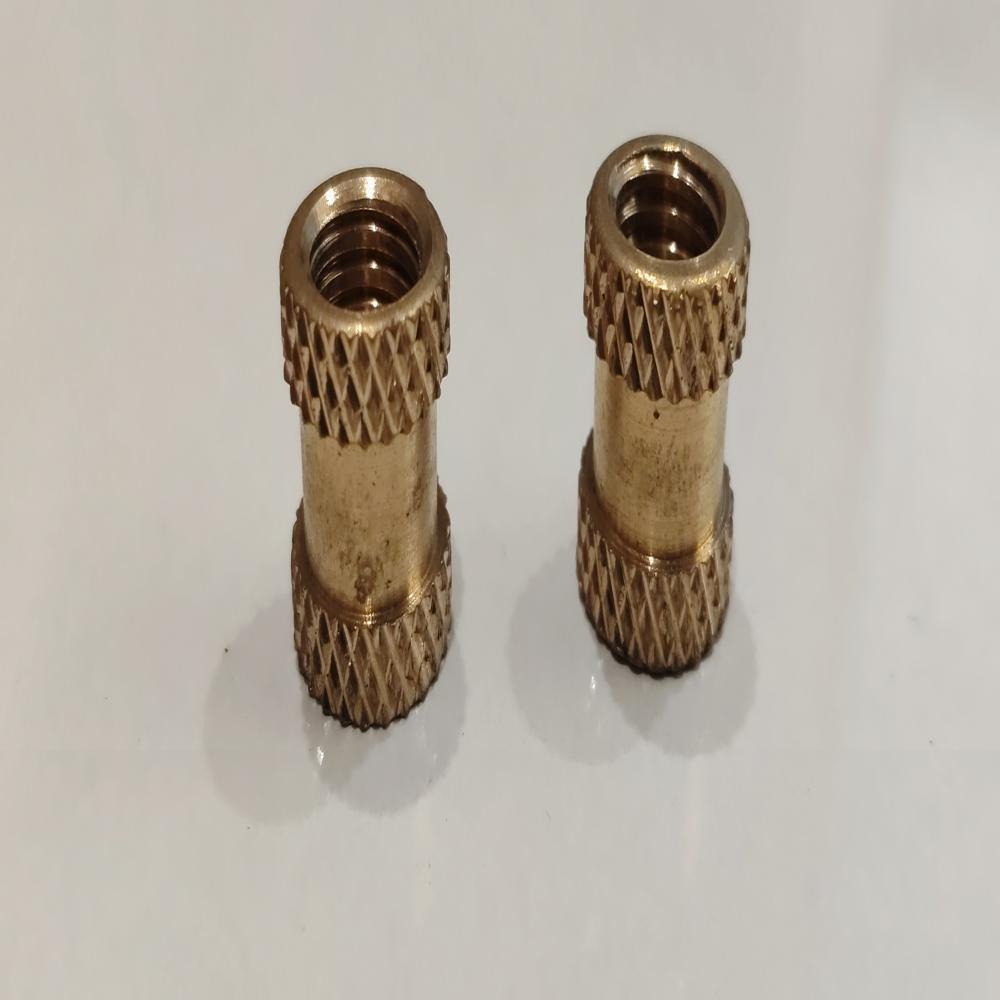
Price 110.0 INR / Pack
Minimum Order Quantity : 1000 Packs
Tolerance : 0.02 Millimeter (mm)
CNC Machining : Yes
Diameter : 1 Millimeter (mm)
Type : BRASS INSERTS
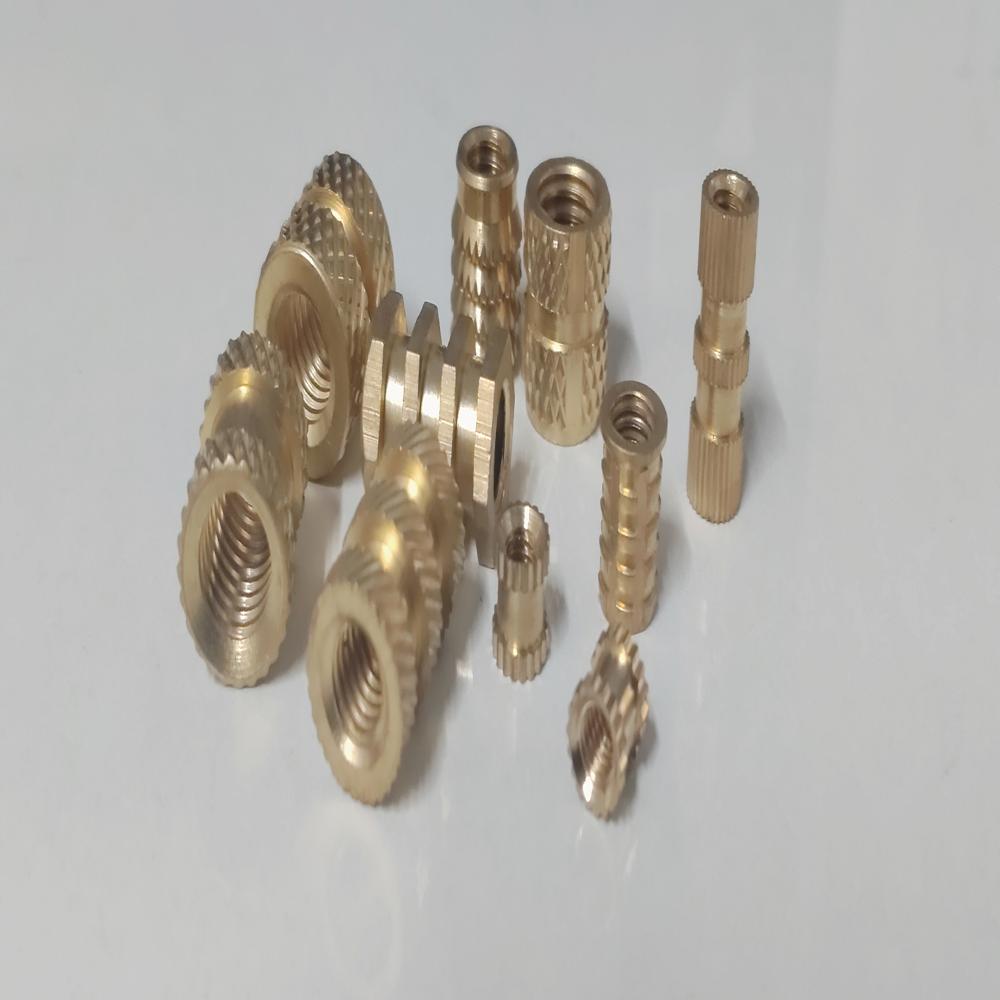
Price 0.8 INR / Piece
Minimum Order Quantity : 10000 Pieces
Tolerance : ISO 2768m
CNC Machining : Yes
Diameter : 4 mm
Type : Multi Unheaded Insert

GST : 24ABNCS3524Q1ZR

|


 Get A Quote
 Send Inquiry

 Send Inquiry


 Send Inquiry
 Send SMS


 English
 Spanish
 French
 German
 Italian
 Chinese (Simplified)
 Japanese
 Korean
 Arabic
 Portuguese