Monday - Friday 10AM - 8PM

 Chat with us
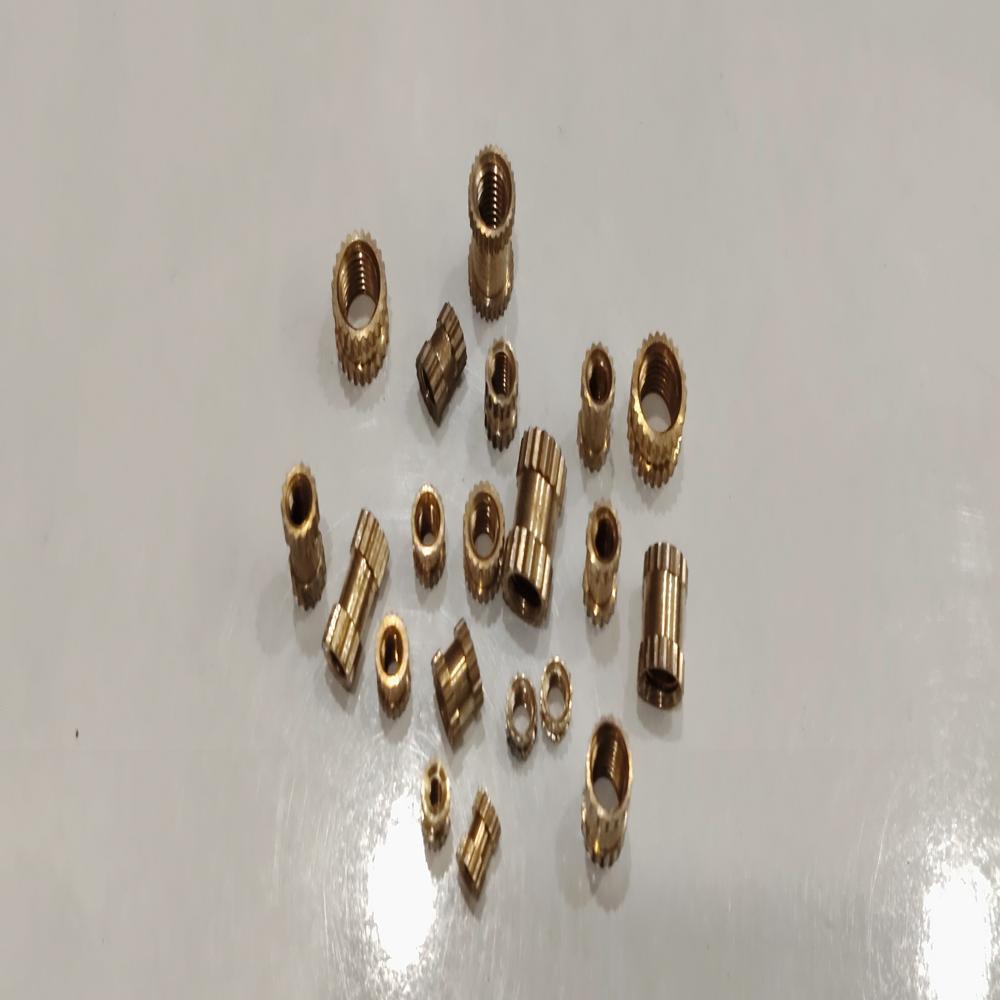
A "load-bearing brass insert" is a type of threaded insert designed to provide a high-strength, durable, and reliable connection, particularly in materials that are not strong enough on their own to handle a significant load. While all threaded inserts enhance the strength of a joint, a load-bearing insert is specifically engineered for applications where the joint will be subject to repeated stress, vibration, or heavy static loads.
Robust Design: Load-bearing inserts are designed with features that maximize their grip on the surrounding material. This often includes aggressive knurling (diamond, straight, or helical patterns) and undercuts that the surrounding plastic or wood flows into during installation. This creates a strong mechanical interlock that resists both pull-out (tensile) and torque-out (rotational) forces.
Material Properties: The use of brass provides a balance of important properties. It's strong enough to create a reliable thread, resistant to corrosion, and has good thermal conductivity, which is beneficial for heat-staking or ultrasonic installation methods.
Installation Methods: The most effective load-bearing inserts are typically molded-in or installed using heat-staking or ultrasonic insertion. These methods allow the host material to flow into the insert's features, creating a strong, permanent bond. Press-in inserts, while useful for some applications, generally provide less load-bearing capacity.
Load-bearing brass inserts are essential in industries where plastic components need to be assembled and disassembled without compromising the integrity of the threads. Common applications include:
Automotive: Securing plastic parts in engine compartments, dashboards, and other areas subject to vibration and temperature changes.
Electronics: Mounting printed circuit boards (PCBs) and other components in plastic housings, ensuring a secure connection that can withstand repeated service.
Industrial Machinery: Reinforcing threaded connections in critical components that are subject to heavy loads and wear.
Furniture and Cabinetry: Creating strong joints in wood or particleboard that allow for repeated assembly and disassembly without stripping the material.
The performance of a load-bearing brass insert is highly dependent on both the insert's design and the material it's installed in. Factors that designers consider include:
Hole size: The pre-drilled or molded hole must be precisely sized to allow the plastic to flow correctly around the insert's features, creating a strong bond.
Knurl design: The type of knurling (e.g., straight, helical, or diamond) impacts the insert's resistance to pull-out versus torque-out forces.
Wall thickness: The plastic component must have sufficient wall thickness around the insert to support the load and prevent cracking or deformation.
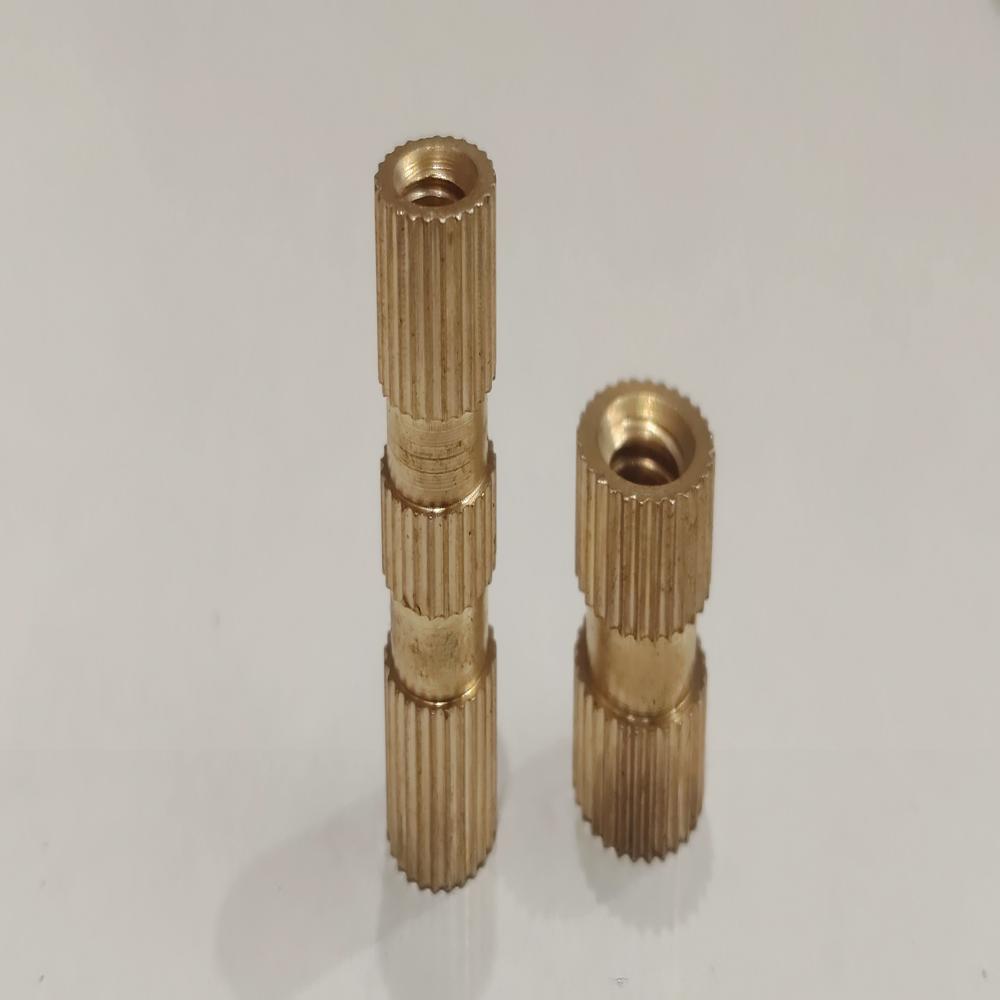

Price:
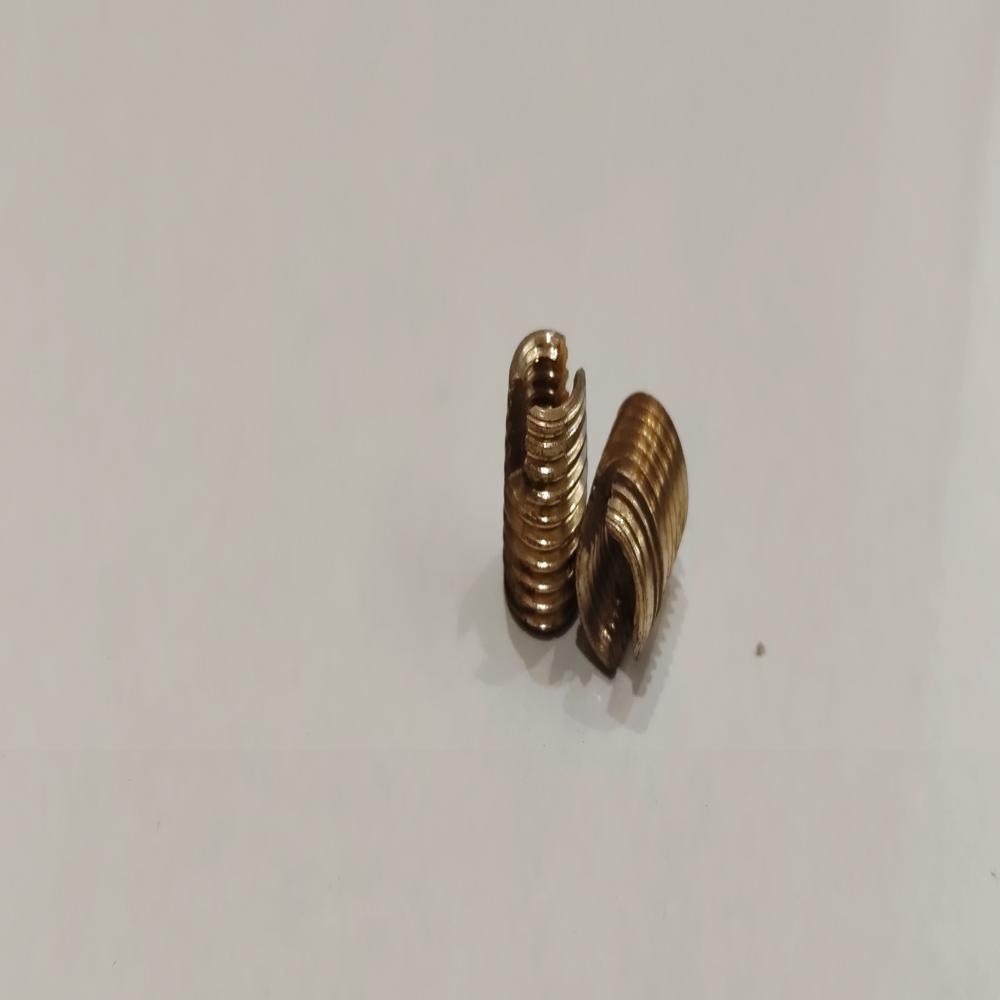
Price 110.0 INR / Pack
Minimum Order Quantity : 1000 Packs
Usage : Industrial
Material : Brass
CNC Machining : Yes
Connection : Other
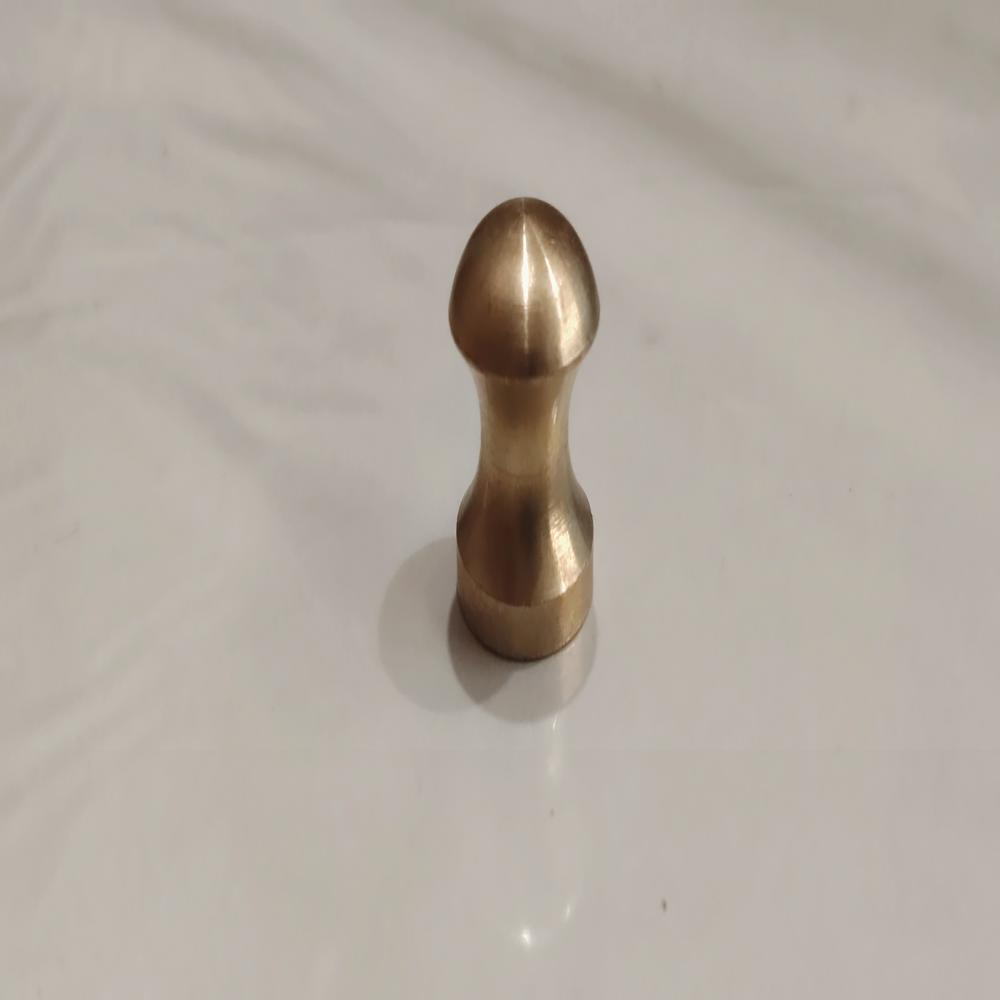
Price 110.0 INR / Pack
Minimum Order Quantity : 1000 Packs
Usage : Automobile
Material : Brass
CNC Machining : Yes
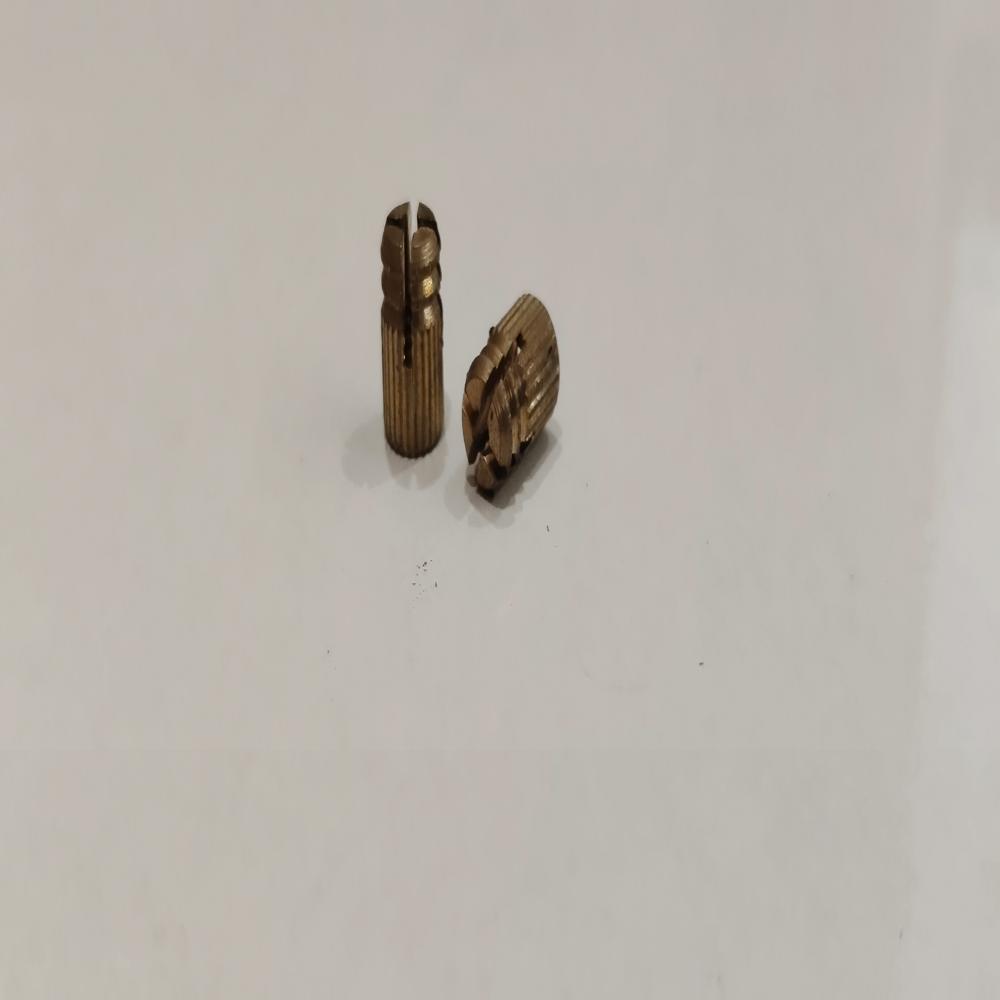
Price 62.0 INR / Piece
Minimum Order Quantity : 500 Pieces
Usage : Industrial
Material : Brass
CNC Machining : Yes
Connection : Other, Threaded
Price 10.0 INR / Piece
Minimum Order Quantity : 1000 Pieces
Usage : Industrial
Material : Brass

GST : 24ABNCS3524Q1ZR

|


 Get A Quote
 Send Inquiry

 Send Inquiry


 Send Inquiry
 Send SMS


 English
 Spanish
 French
 German
 Italian
 Chinese (Simplified)
 Japanese
 Korean
 Arabic
 Portuguese