Monday - Friday 10AM - 8PM

 Chat with us
A lead-free brass insert is a threaded fastener made from a specialized brass alloy that contains a significantly reduced amount of lead, or no lead at all, compared to traditional brass. This modification is driven by health, safety, and environmental regulations, particularly in applications involving drinking water and other sensitive systems.
Traditional brass alloys, such as free-machining brass, contain a small percentage of lead (typically 2-4%). The lead acts as a lubricant during the machining process, allowing for faster production and a smoother finish. However, lead is a heavy metal and a known health hazard. When brass components are used in plumbing and other applications where they come into contact with potable water, there is a risk of lead leaching into the water supply.
To address this, regulatory bodies around the world, such as the U.S. Safe Drinking Water Act (SDWA), have mandated a drastic reduction in the lead content of materials used in potable water systems. Lead-free brass alloys typically contain less than 0.25% lead.
While lead is removed for safety, lead-free brass inserts are engineered to maintain the desirable properties of brass.
Safety and Environmental Compliance: This is the primary advantage. Lead-free brass inserts are an essential component for products that must comply with regulations for drinking water, medical equipment, and other applications where lead contamination is a concern.
Corrosion Resistance: Like traditional brass, lead-free alloys offer excellent resistance to corrosion, ensuring a long-lasting and reliable connection, especially in environments with moisture or chemicals.
Mechanical Properties: Despite the absence of lead, modern lead-free brass alloys are formulated to offer good mechanical strength, durability, and resistance to wear. They can be engineered to have excellent forgeability and machinability, though sometimes with slightly different processing requirements than leaded brass.
Recyclability: Lead-free brass is easily recyclable, aligning with sustainable manufacturing practices and reducing the environmental footprint of the product.
Non-Magnetic Properties: Low-lead or lead-free brass is non-magnetic, making it an ideal choice for sensitive electronic and medical applications where magnetic interference must be minimized.
Lead-free brass inserts are used in a variety of industries where safety and environmental compliance are paramount:
Plumbing and Water Systems: Faucets, valves, fittings, and connectors for potable water systems.
Medical Equipment: Surgical instruments, diagnostic devices, and laboratory equipment where sterility and material purity are critical.
Food and Beverage Processing: Machinery and components that come into contact with food and beverages.
Electronics: Inserts for circuit boards and housings, especially in devices that might be used in a medical or laboratory setting.
In summary, a lead-free brass insert is a responsible and necessary evolution of the traditional brass fastener, providing the same high-quality performance while eliminating the risks associated with lead contaminat
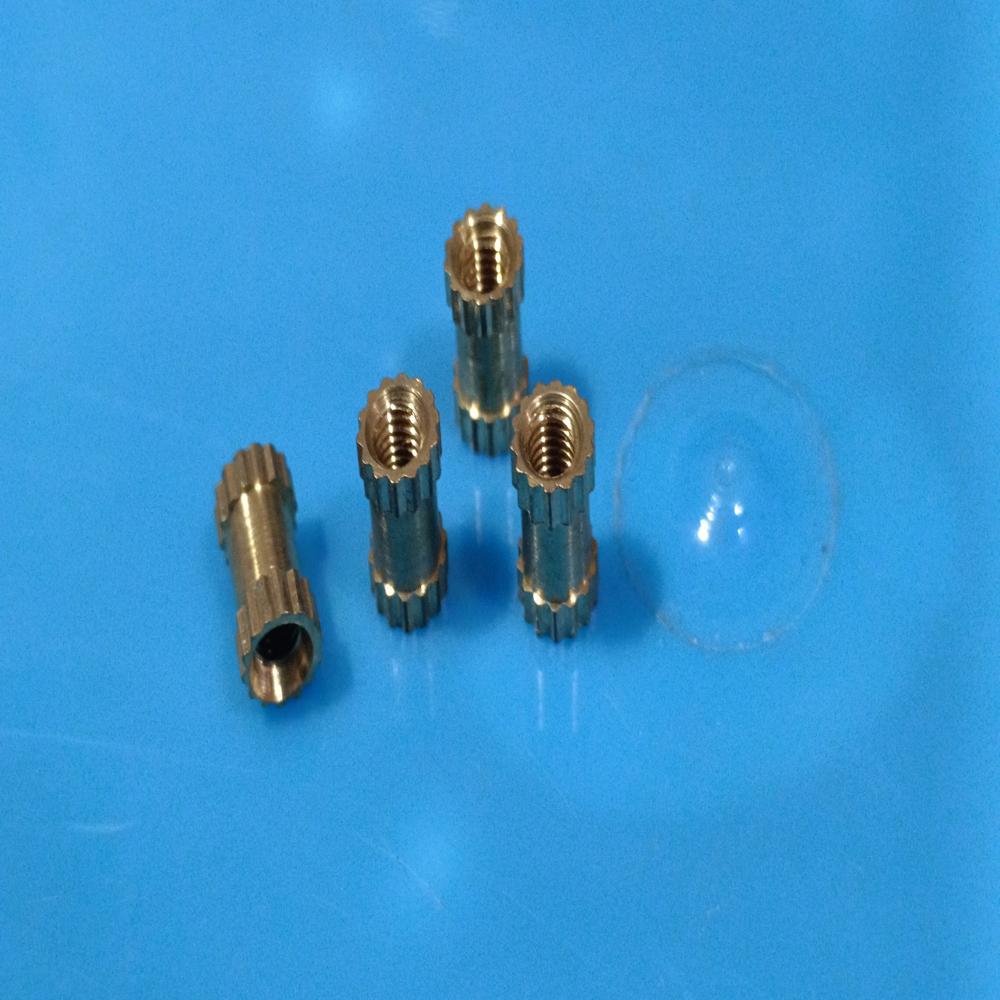

Price:
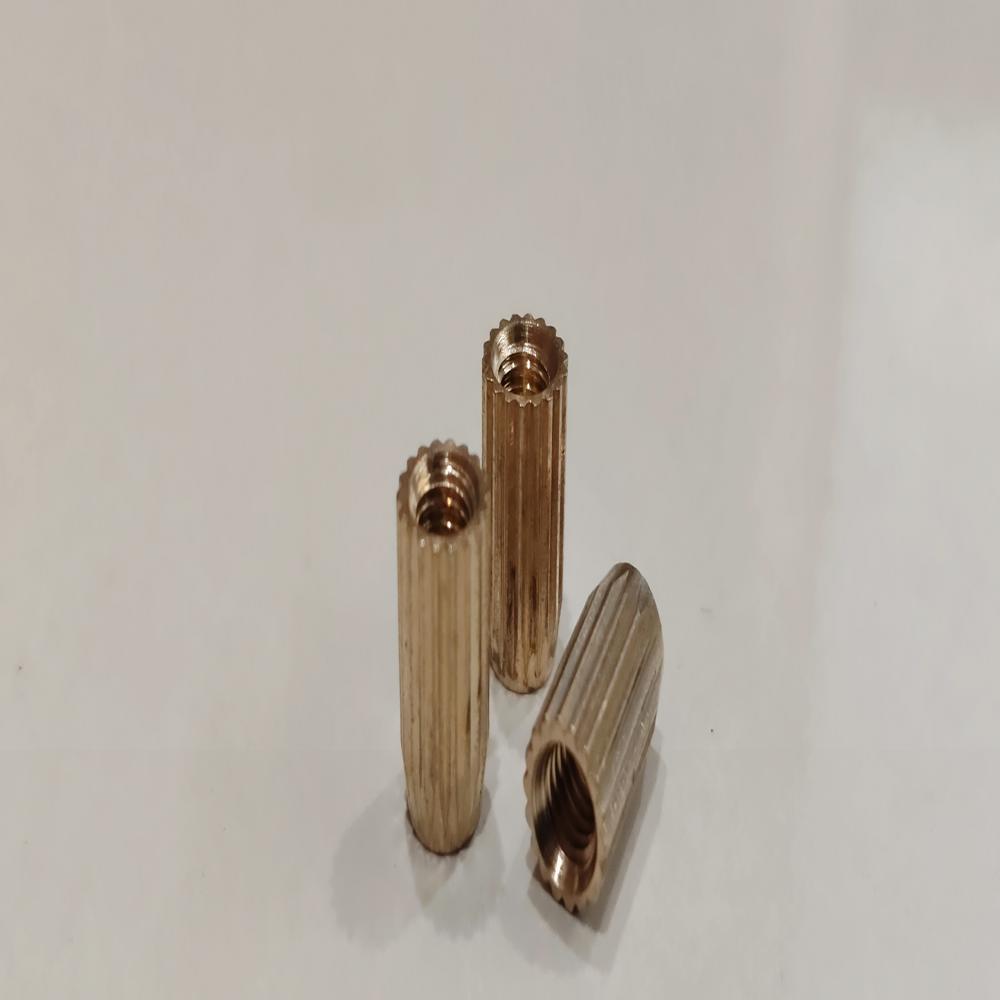
Price 110.0 INR / Piece
Minimum Order Quantity : 1000 Pieces
CNC Machining : Yes
Type : BRASS INSERTS
Shape : Other
Connection : Other
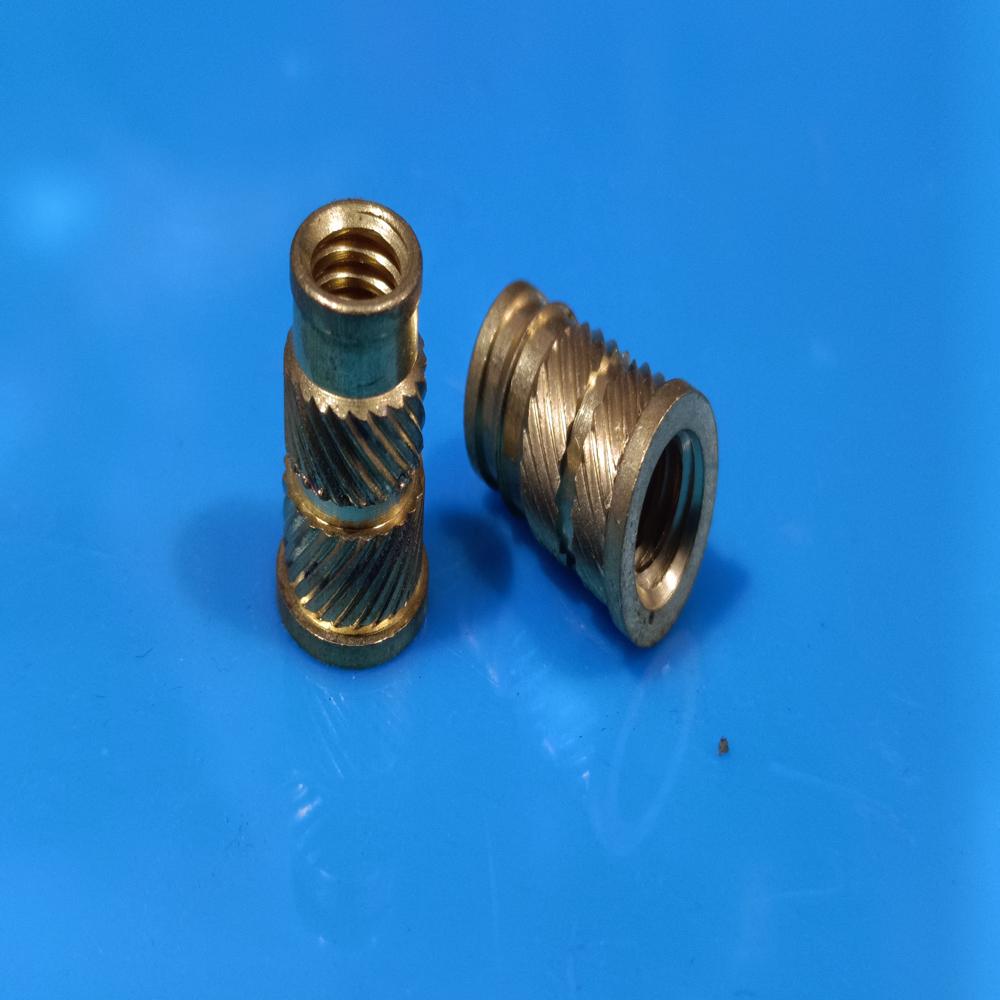
Price 55.0 INR / Piece
Minimum Order Quantity : 1000 Pieces
CNC Machining : No
Shape : Round
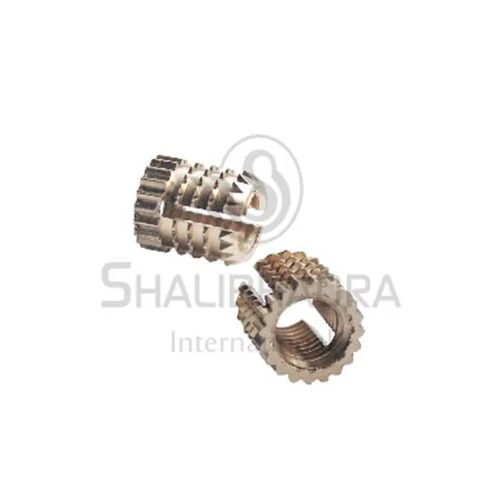
Price 65 INR / Piece
Minimum Order Quantity : 500 Pieces
CNC Machining : Yes
Type : Barbed Expansion Insert
Shape : Round
Connection : Other, PressFit
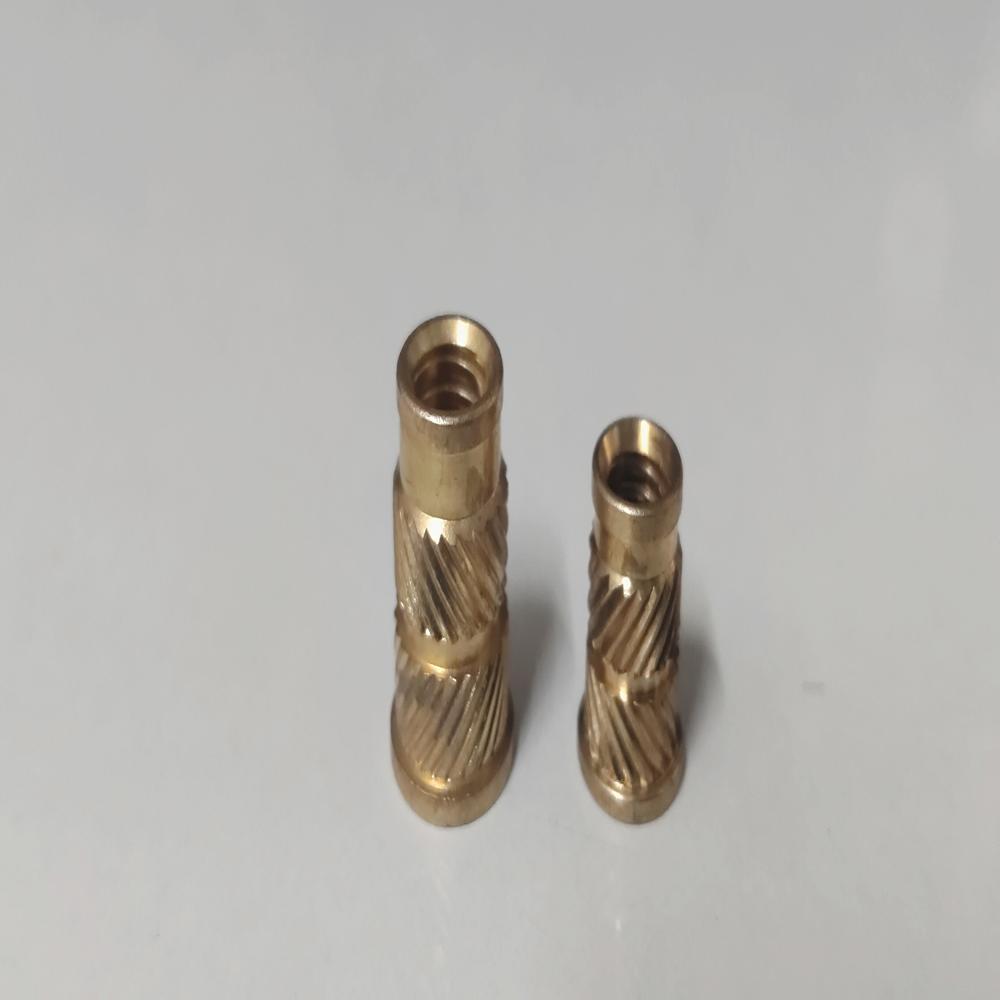
Price 0.8 INR / Piece
Minimum Order Quantity : 1000 Pieces
CNC Machining : Yes
Type : Knurled Expansion Insert
Shape : Other, Cylindrical
Connection : Other, Threaded

GST : 24ABNCS3524Q1ZR

|


 Get A Quote
 Send Inquiry

 Send Inquiry


 Send Inquiry
 Send SMS
 Call Me Free


 English
 Spanish
 French
 German
 Italian
 Chinese (Simplified)
 Japanese
 Korean
 Arabic
 Portuguese