Monday - Friday 10AM - 8PM

 Chat with us
Injection mold brass inserts are small, precision-engineered metal fasteners placed into plastic parts to create strong, reusable threaded connections. They're a crucial component in injection molding because they allow for secure assembly and disassembly of plastic parts without damaging the softer plastic material.
Material: Brass is a preferred material for these inserts due to its excellent machinability, good thermal conductivity, and corrosion resistance. It also provides a balance of strength and cost-effectiveness compared to other metals.
Design Features: Inserts are often designed with special features like knurling (diamond, straight, or helical patterns) and undercuts. These features create a strong mechanical bond with the surrounding plastic, providing high resistance to both pull-out and rotational forces (torque-out).
Benefits: Using brass inserts significantly extends the lifespan of plastic components, especially in applications where parts are frequently taken apart and put back together. They also allow plastic parts to withstand higher stress and load conditions.
There are several ways to install brass inserts, each suited for different applications and production volumes.
Molded-In: The inserts are placed directly into the mold before the molten plastic is injected. This method provides the highest pull-out and torque-out resistance because the plastic flows around the insert's features, creating a very strong bond. It's often used in high-volume production.
Heat-Staked / Thermal Inserts: The inserts are pressed into a pre-drilled or pre-molded hole using heat. The heat softens the plastic, allowing the insert to be embedded securely. As the plastic cools, it re-solidifies around the insert's knurls and grooves, creating a tight, permanent fit.
Ultrasonic Insertion: Similar to heat-staking, this method uses high-frequency vibrations to generate heat, which melts the plastic around the insert as it's pressed into a hole. This is a fast and precise method.
Press-In Inserts: These inserts are designed to be mechanically pressed into a hole without heat. They are a low-cost solution and are typically used in applications where extremely high pull-out resistance isn't required.
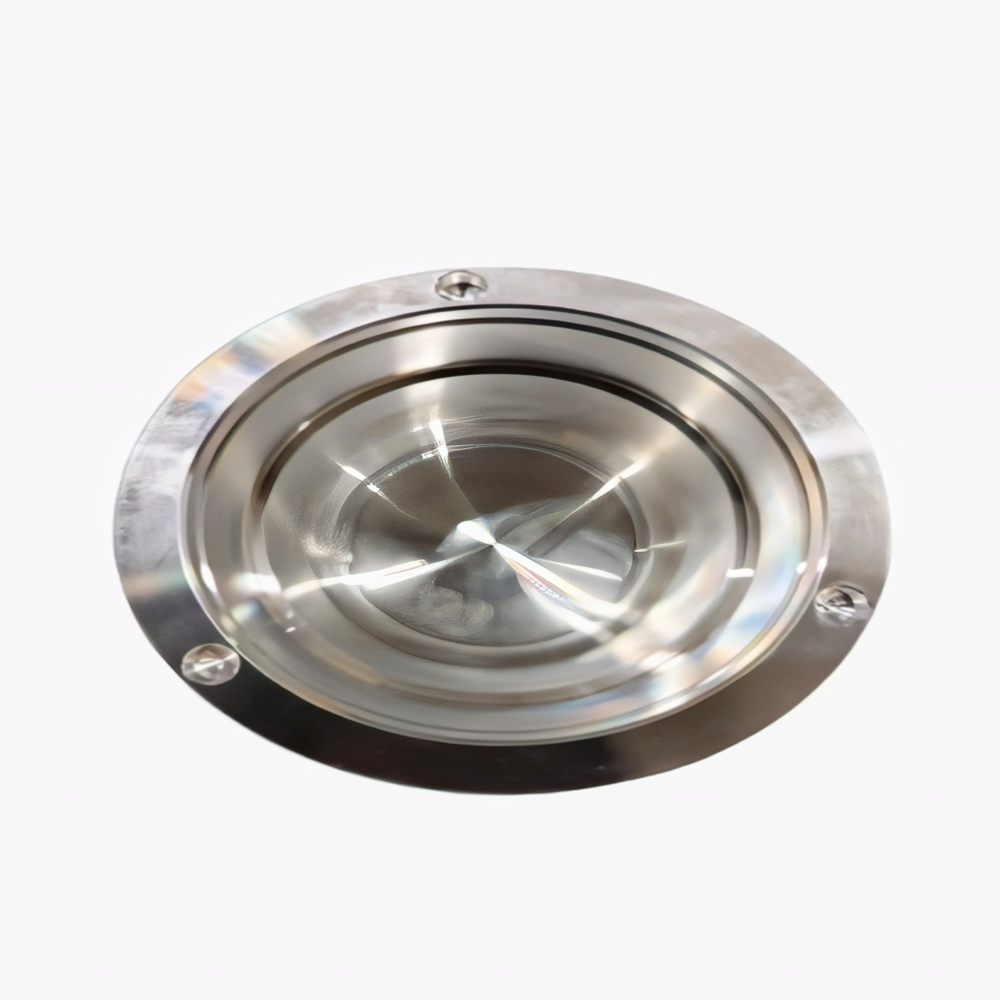

Price:
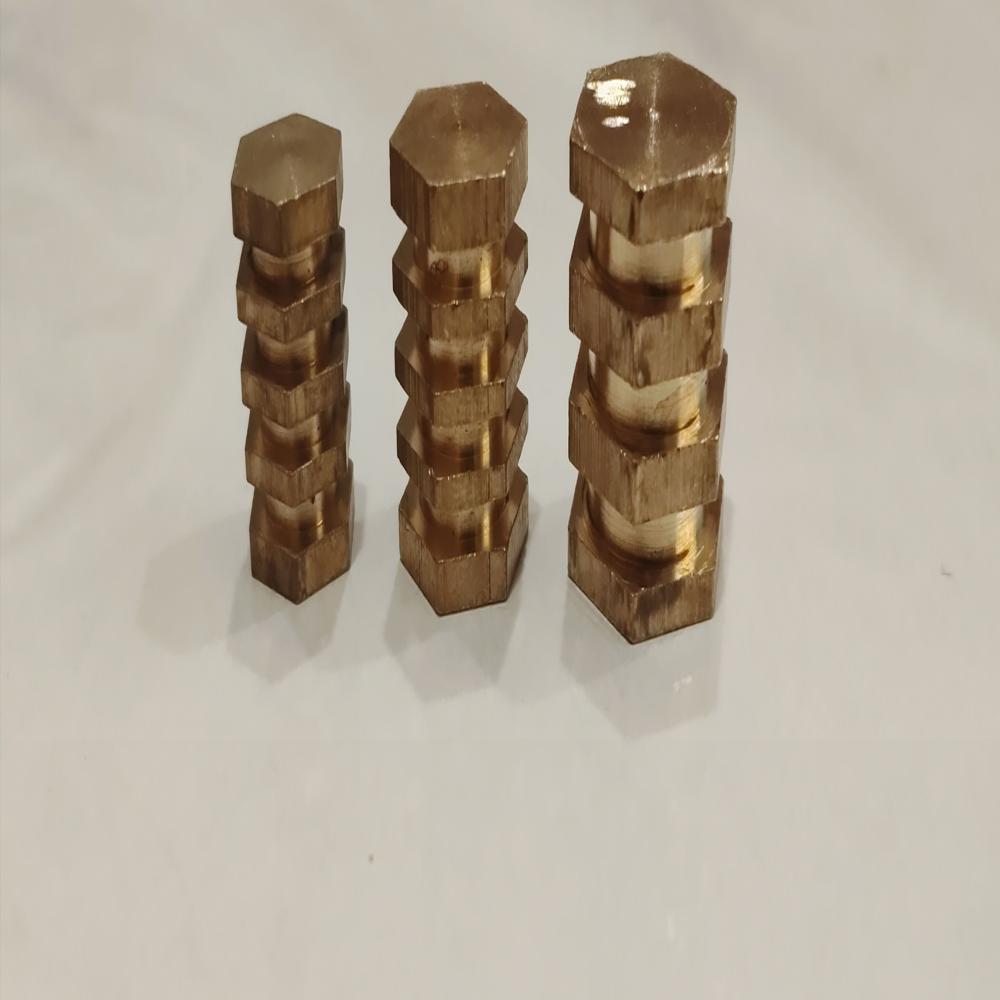
Price 110.0 INR / Piece
Minimum Order Quantity : 1000 Pieces
CNC Machining : Yes
Type : BRASS INSERTS
Diameter : 1 Millimeter (mm)
Color : Golden
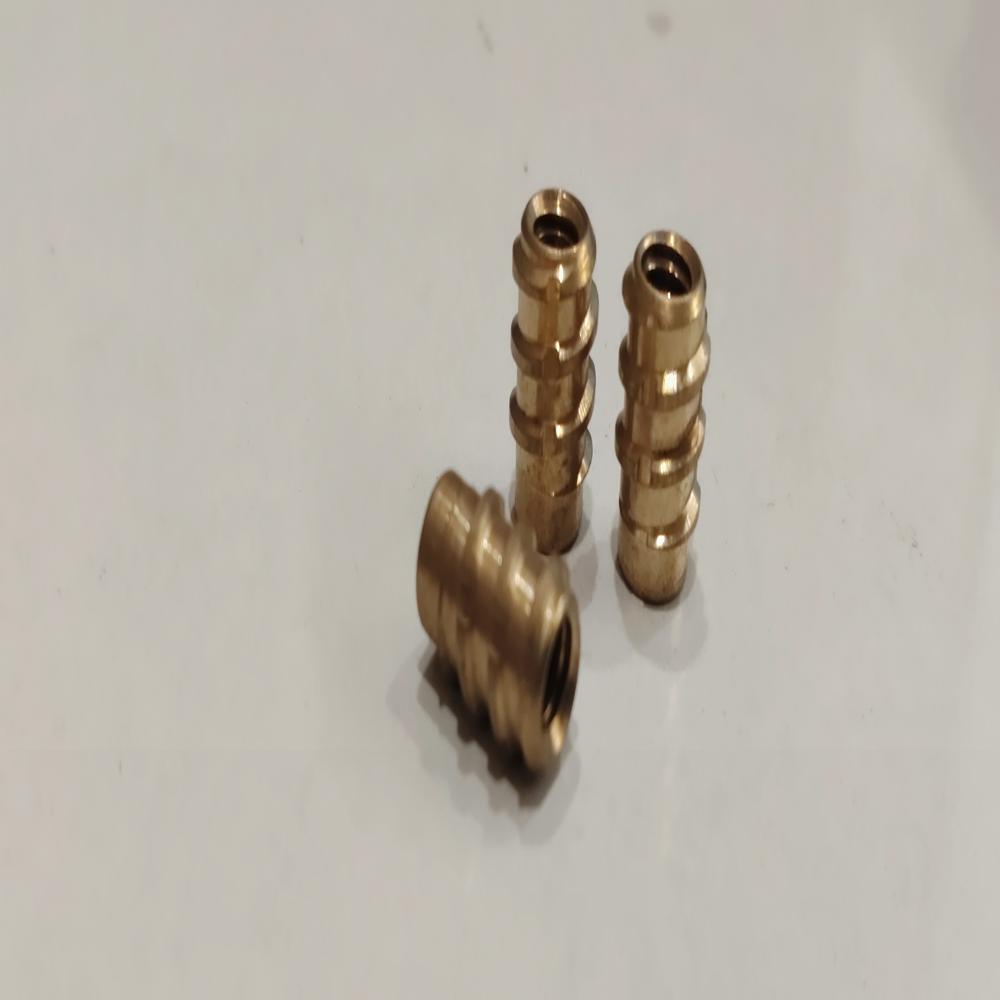
Price 110.0 INR / Pack
Minimum Order Quantity : 1000 Packs
CNC Machining : Yes
Type : BRASS INSERTS
Diameter : 1 Millimeter (mm)
Color : Golden
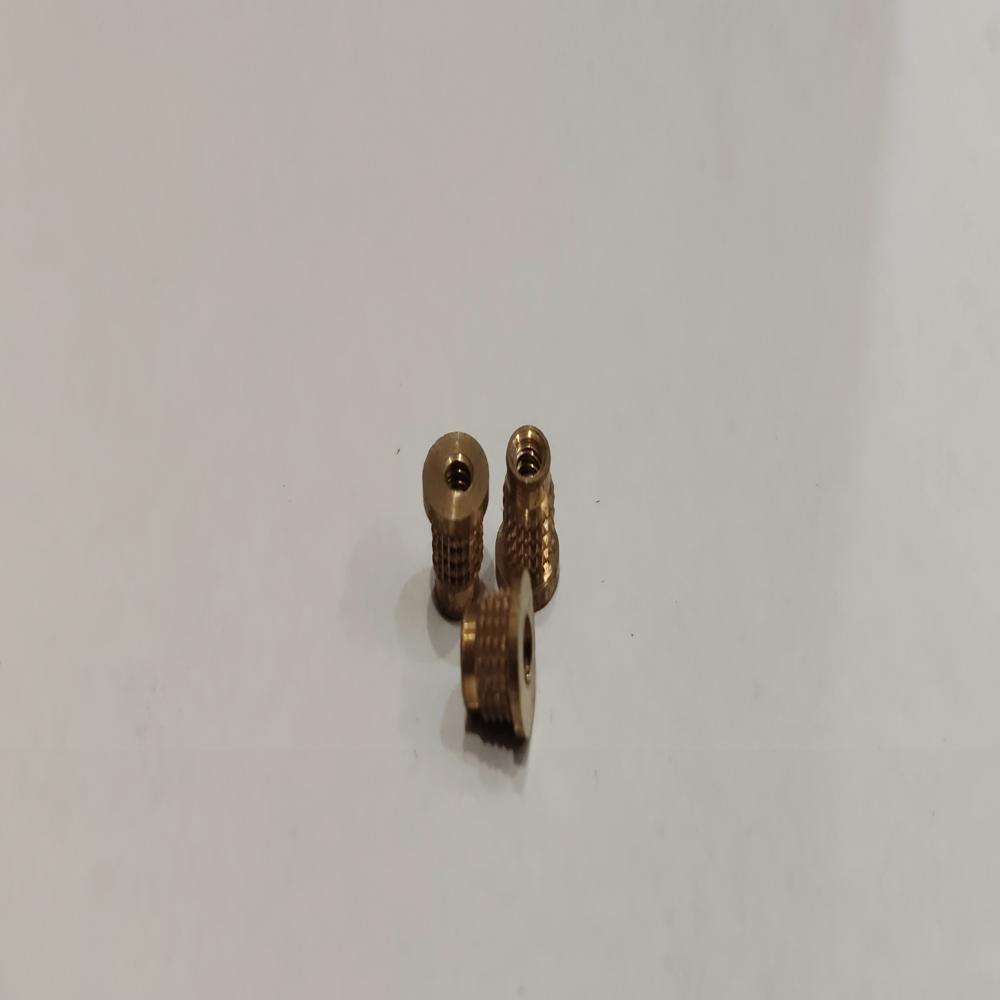
Price 110.0 INR / Pack
Minimum Order Quantity : 1000 Packs
CNC Machining : Yes
Type : BRASS INSERTS
Diameter : 1 Millimeter (mm)
Color : Golden
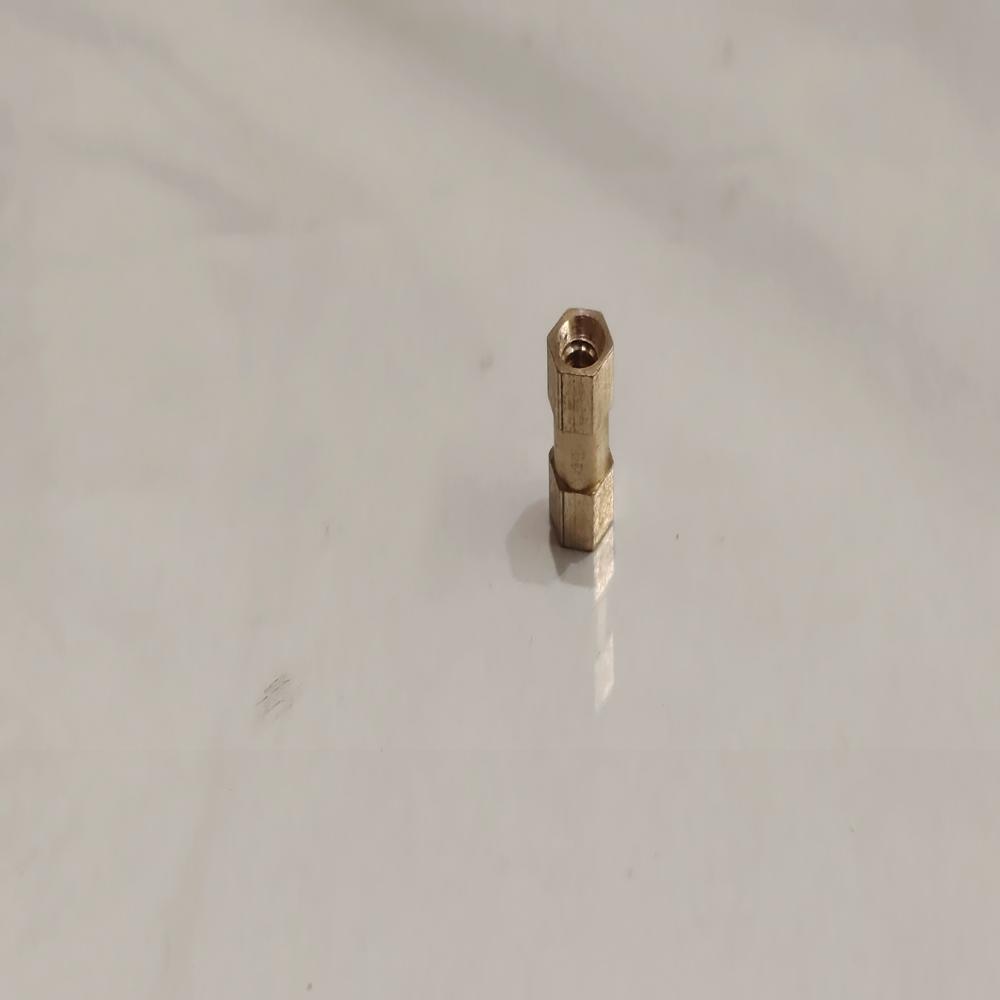
Price 110.0 INR / Pack
Minimum Order Quantity : 1000 Packs
CNC Machining : Yes
Type : BRASS INSERTS
Diameter : 1 Millimeter (mm)
Color : Golden

GST : 24ABNCS3524Q1ZR

|


 Get A Quote
 Send Inquiry

 Send Inquiry


 Send Inquiry
 Send SMS


 English
 Spanish
 French
 German
 Italian
 Chinese (Simplified)
 Japanese
 Korean
 Arabic
 Portuguese